The mystical world of BOOKS
Discover the joy and importance of reading for all ages. Learn how early exposure to books nurtures language, creativity, empathy, and lifelong learning habits. Tips for parents to encourage and sustain a love for reading in children amidst today’s digital distractions.
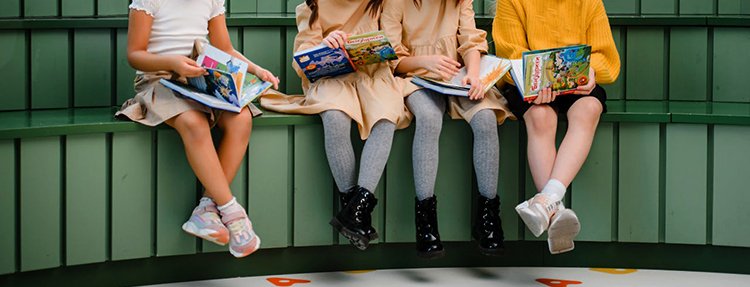
For some of us, these words are the gateway to a wonderful world of mystical situations, magical places, new experiences, and imaginary characters.
For others, they are just mere words, with little beyond them.
For the lucky ones who feel the magic in words and can’t wait to discover what lies beyond, books and reading hold a charm unlike anything else.
All they need is a new book or a well-loved favorite to escape reality and enter the realm of imagination, a world beyond our everyday understanding.
It’s fascinating how avid readers can find time and space to indulge themselves wherever they are. Meanwhile, others struggle to understand how anyone finds time to read.
This difference comes down to a need and desire that existed long before the mundane tasks of growing up and adult life took over.
Why is Reading Important?
Reading offers numerous benefits. Beyond providing a glimpse into parallel worlds, it serves as an escape from reality and a way to unwind.
It helps calm the mind, reduce stress, and offers a break from the daily struggles most of us face.
For the younger generation, reading builds language awareness, introduces new vocabulary, and lays the foundation for language development. It also teaches children to concentrate and focus for longer periods.
Beyond language, reading sparks creativity and improves communication skills. Many studies link regular reading to better academic performance.
Reading also helps children develop emotionally. Imagination is at its peak during childhood, and through exposure to diverse characters and situations in books, children develop empathy and learn essential life skills.
They gain negotiation abilities and learn to think beyond surface-level appearances.
Creating Lifelong Readers
Despite the strong case for raising readers, developing this habit can seem daunting in today’s electronic-dominated world. Instant gratification and easy access to entertainment through handheld devices often distract children.
With growing concerns about screen time and developmental delays, many parents are now trying to encourage reading. However, despite their efforts, some children remain uninterested.
This disinterest often stems from a lack of early exposure to books. Reading habits should be encouraged from birth.
Some might argue that infants don’t understand language yet, but reading is about much more than comprehension. Early reading creates a nurturing environment associated later with comfort and warmth.
As children grow, they associate books with relaxation and entertainment. Over time, books become powerhouses of knowledge and foster a love of learning that textbooks alone cannot provide.
Exposure to books from an early age increases the likelihood that children will enjoy reading later. It also builds the vocabulary foundation needed for language development.
Children mimic what they see. In homes where adults read for pleasure, children are far more likely to pick up books themselves.
Reading isn’t limited to fiction, cookbooks, magazines, journals, or any reading material that interests you count. When children see their parents choosing books over phones, they’re more likely to do the same.
Nurturing a Love for Reading
Once your child develops an interest and ability to read independently, it’s important to step back and let them choose what to read.
They may not always pick the most literary or informative books, but as long as the material is age-appropriate, allowing freedom encourages lasting interest. Forcing children to read what we want may backfire.
Give them space to pick their own books, chances are, they will eventually gravitate towards what you want them to read.
Creating a reading community can also nurture the habit. Consider starting a neighborhood book club or joining a local library where children can visit regularly.
Attend author events and book readings whenever possible.
By fostering an environment where books are easily accessible and openly discussed, you lay a strong foundation for a lifelong habit your children will thank you for.
What's Your Reaction?