The Disease called Addiction
Discover how Calcutta Samaritans pioneered addiction recovery in India through detox, rehab, and counseling. Learn about the signs of addiction, treatment options, relapse prevention, and the urgent need for awareness and rehabilitation support.

Long before substance abuse intervention became an accepted service for NGOs, Calcutta Samaritans encountered it when even its mention was taboo.
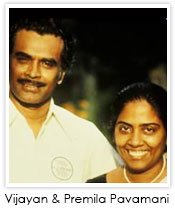
In 1971, Mr. Vijayan Pavamani and his wife, Premila, began crisis intervention work. They were deeply moved by how substance abuse enslaved people across society—from the wealthy to the poor—and started the Arunoday Midway Home, the first residential rehabilitation centre in India.
Today, in the area of addiction, Calcutta Samaritans partners with the Ministry of Social Justice and Empowerment and NACO to provide comprehensive infrastructure for treatment, rehabilitation, and vocational training. They offer a wide range of prevention and intervention services in Kolkata, Jamshedpur, and Jharkhand, and are recognized for having one of the highest recovery rates in the field.
Understanding Addiction
What is addiction?
Addiction is an obsessive and compulsive behaviour towards something—whether food, gambling, sex, pornography, or drugs. Drug addiction, in particular, is life-threatening and often fatal. Over time, this behaviour changes a person’s personality beyond recognition.
Why is addiction considered a disease?
Addiction is classified as a disease because it has visible signs and symptoms. The World Health Organization (WHO) regards drug and alcohol addiction as among the most dangerous diseases, since it affects every area of a person’s life.
Addiction creates a false sense of pleasure, confidence, or enhanced performance. However, the “high” is temporary, and the pain of dependency soon follows. Recovery programs describe it as:
“We are not bad, we are not mad, but we are sick.”
The sickness remains lifelong in a latent form. While there is no cure, it can be prevented and managed through disciplined recovery practices, one day at a time.
Identifying Addiction
Signs of substance abuse include:
-
Loss of appetite and deterioration in health
-
Fatigue and visible stress
-
Absence from work or sudden disappearances
-
Loss of priorities
-
Increased demand for money
-
Violent or manipulative behaviour (especially during withdrawal)
High-risk substances:
-
Heroin and brown sugar (opium derivatives) – extremely addictive, cause severe withdrawal
-
Alcohol – leads to pronounced physiological damage when abused
Who is at Risk?
-
Children from families where alcohol is consumed at home are at higher risk.
-
Sons of alcoholic fathers have over a 50% chance of becoming alcoholics.
-
Siblings of heavy drinkers often follow the same pattern.
While these risks are significant, addiction is also influenced by psychological factors and individual mental conditioning.
Young People and Substance Use
Surveys show that less than 15% of people who drink alcohol develop the disease of alcoholism. For those who do, dependency grows progressively until they cannot function without alcohol.
Drug dependency among young people is rising. In the 1980s, drug use typically began after age 20; today, many start between 13 and 16 years.
Recognizing the Need for Treatment
Addicts often deny their problem. Families and friends usually have to intervene. Treatment is essential when:
-
Jobs are lost due to substance use
-
Lying, manipulation, or theft becomes routine
-
Social withdrawal and avoidance occur
Early treatment greatly improves chances of recovery.
Treatment Process
-
Detoxification (Withdrawal Management)
-
Lasts about one month (as per government guidelines)
-
Addresses physical symptoms such as restlessness, sweating, anxiety, joint pain, and “cold turkey” withdrawal
-
-
Cognitive Behavioural Therapy (CBT)
-
Helps clients understand their triggers and behaviours
-
-
12-Step Program
-
Based on Alcoholics Anonymous
-
Provides lifelong tools for recovery
-
Globally recognized as one of the most successful recovery models
-
Success Rate & Relapse
Recovery success rates vary. According to the WHO:
-
A 15–20% success rate is considered very good
-
On average, addicts relapse three times before achieving long-term sobriety
Yet there is real hope—many recovering addicts live drug-free lives for decades, experiencing profound transformation.
The Growing Challenge in India
Drug abuse is rising, particularly in the North-Eastern states, where it has reached epidemic levels. Strong campaigns have begun, but the problem remains widespread.
-
India is affected by the global drug trade, especially the “Golden Crescent” (Afghanistan, Iraq, Pakistan, Iran) and the “Golden Triangle” (Myanmar, Cambodia, Thailand, Vietnam).
-
High demand and profitability make eliminating supply nearly impossible.
The Way Forward
To effectively combat addiction, India needs:
-
Greater awareness and education on drug dependency
-
Government support for rehabilitation, not just detoxification
-
Funding for long-term treatment programs
-
Legal regulations to protect families from exploitation
Drug addiction is not just a social problem—it is a psychological disease that destroys individuals and families. Addressing it is urgent and necessary.
Contact
Calcutta Samaritans welcomes you to visit us at 48 Ripon Street, Kolkata, or call us at 2229-5920, 9731, or 2217-7871. We are here to listen and support you.
All images used are for illustrative purposes only and have been sourced from Pexels.
What's Your Reaction?