Character or Behavior?
Explore a faith-based perspective on parenting that emphasizes character formation over behavior modification, helping children grow with strong moral convictions that last a lifetime.
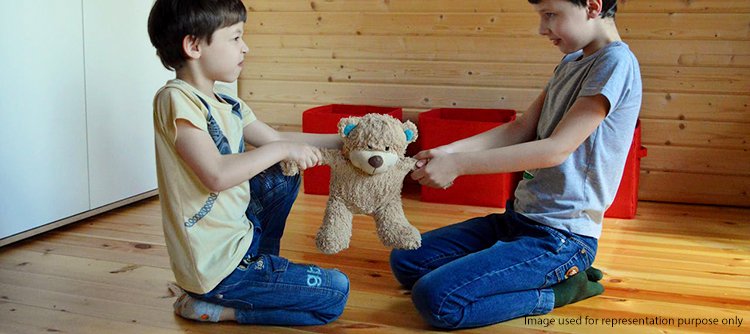
Bringing up three boys with three different personalities and needs has helped us realize that one pattern of parenting does not work for every child. One important truth we discovered early on is that children are born with innate tendencies such as selfishness and jealousy—even as infants.
As they grow, children can become defiant of rules and push hard to get what they want, often against the wishes and instructions of their parents. They need no special coaching to learn the art of disobedience! Very soon, we realize on our parenting journey that our children are not handed to us as tamed, cultured, or well-behaved individuals. Parents play a crucial role in shaping them through consistent and intentional training.
Behavior vs. Character Formation
One thing parents often do unconsciously is focus more on behavior modification than on character formation. Behavioral modification usually involves conditioning a child to behave in a certain way to meet social norms or expectations, without addressing the deeper conditioning of the heart.
Character formation goes beyond outward behavior. It deals with a child’s core values and belief systems. When behavior flows from deep conviction rooted in moral values, it is no longer driven by pressure to perform or to please others—socially, legally, or even spiritually. Instead, character reflects an internalized sense of right and wrong.
Why Teen Years Feel So Challenging
This is one of the key reasons parents feel puzzled and surprised when children move into their teen years. Teenagers begin to think, reason, and express themselves based on what they believe is fair and just. Often, this leads them away from parental expectations.
Their behavior is now driven by personal convictions rather than instructions meant to please parents or others. Parents wonder what suddenly happened to their once well-behaved child. While hormonal changes do play a role, that is not the whole story. The deeper issue is that their hearts may not have been shaped intentionally—because too much emphasis was placed on behavior instead of belief systems.
Parenting for the Long Term
If our parenting is based on “What will others think about my child or my parenting?”, we may unknowingly emphasize outward behavior, especially in public settings. Control mechanisms work only as long as children can be managed through punishment or fear-based tactics.
This is why it is vital to begin with moral values and character building, rather than merely correcting behavior.
“Train up a child in the way he should go, and when he is old he will not depart from it.”
— Proverbs
This wisdom speaks of training that lasts a lifetime. “The way a child should go” is not always the path parents prefer, but the path God intends—a way of righteousness, peace, and godliness. It is the way of the Creator and His plans for each life.
A Call to Introspect
As parents, it is good to pause and reflect—no matter what stage of parenting you are in. Are your parenting choices based on deep convictions about a righteous and noble path, or on convenience and societal pressure?
Character building is the foundation of parenting. Remember: character is not taught; it is caught—from parents.
Need Support?
If you are facing parenting challenges that feel beyond your ability to handle, we encourage you to seek help from a counselor at the earliest. Our national helpline can guide you to the right support.
Home Shanti Helpline: +91 88844 70705
We hope and pray that it brings Shanti (peace) to your home.
— Ciby & Dr. Prabhan C. M.
What's Your Reaction?