Shinto Weddings: A Glimpse into Japanese Tradition
Discover the beauty and symbolism of a traditional Shinto wedding in Japan—featuring the white-clad bride, sacred sake rituals, and vibrant reception customs rooted in centuries-old beliefs.
Shinto, or Shin Tao, means “the way of the gods” and was established in Japan around 500 BC. The Shinto religion is characterized by nature worship, ancestor worship, heroism, and divine expression.
The Shinto Bride
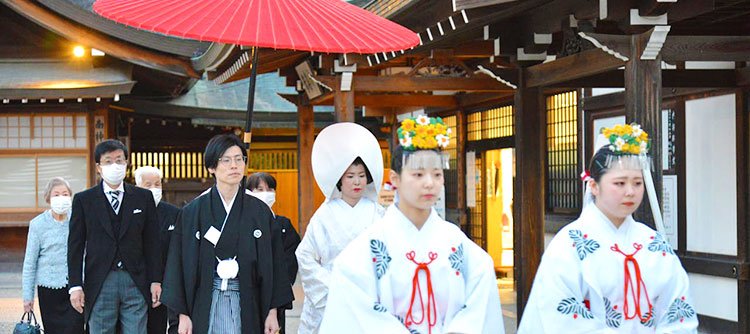
For the wedding ceremony, the bride is painted white from head to toe, symbolizing her maiden status before the gods. She wears a white kimono called the Shiromuku, a Samurai tradition where white represents the beginning of a new life and the end of the old. Its purity signifies the bride’s willingness to be “dyed” in the colors of her new family's ways.
Bridal gowns are considered very precious, often handed down through generations and later repurposed as bedding.
The bride wears an elaborate headdress, believed to represent her “horns of jealousy and envy” toward her mother-in-law, who is typically the head of the family. In contrast, the groom wears a simple black kimono.
The Wedding Ceremony
The ceremony begins with a priest purifying everyone present to ward off evil spirits. The bride and groom then offer vows of obedience and faithfulness in front of their gathered relatives.
This is followed by the San-san-kudo ceremony, where the couple drinks sake (rice wine) from a nuptial cup, passing it between them three times each—totaling nine sips. This ritual is believed to seal their bond.
The cup is then offered to family members and guests as part of the celebration. While the bride and groom exchange vows, their families face each other instead of the couple.
Following San-san-kudo, the bride and groom exchange rings. The ceremony concludes in the sanctuary, where they offer twigs of the sakaki (sacred tree) in worship to Kami, the Shinto deity.
Wedding Reception
During the reception, the bride changes her kimono several times but typically begins in a red kimono. Red and white are considered auspicious colors in Japanese weddings and often influence the food presentation as well.
Guests participate in games, skits, and karaoke to celebrate the union. In Japan, certain dates are considered especially lucky, and it’s not uncommon to see railway stations crowded with newlyweds heading for their honeymoon on these days!
About the Author
Mary Samuel, B.E., MBA, has worked with VSSC-ISRO (Trivandrum) and H&R Johnson (I) Ltd. She is currently a homemaker, married to Maj. L. J. John, and is blessed with two sons, Daniel and David.
All images used are for illustrative purposes only and have been sourced from Pexels.
What's Your Reaction?