A Zulu Wedding
Discover the rich customs of a Zulu wedding—from the Zulu Love Letter and Lobola to dance rituals, bridal attire, and ancestral traditions.
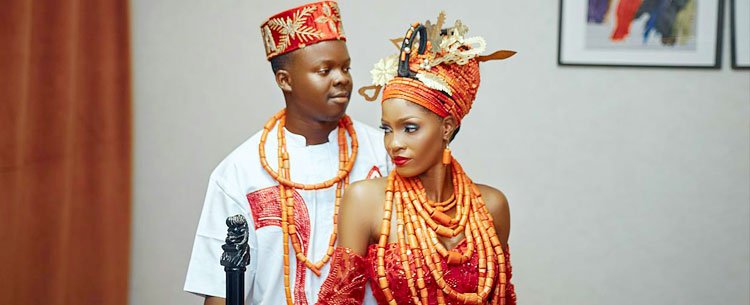
A Zulu wedding, like most African weddings, is vibrant with colours, music, and dancing. Among the Zulus, women often have the upper hand. Girls choose their partners and send a beaded necklace called a Zulu Love Letter to the boy. Each bead colour carries a specific meaning — for example, red represents love or intense passion, blue signifies loyalty and truth, and so on.
Lobola Agreement
Once the boy and girl decide to marry, their parents are informed. An elder, called the Idombo, represents the groom and meets with the bride’s family to negotiate the dowry (Lobola). Lobola is usually paid in cattle or money equivalent to the value of the cattle. Following this agreement, a formal engagement takes place, and the cattle is delivered in installments. This process may continue for a year or two until the groom’s family insists on proceeding with the wedding.
Bridal Dress
The bride is adorned with red, white, and ochre designs on her legs and arms. Bags of pebbles are tied to her ankles, and she wears a veil made of beads and twisted fig leaves. Oxtail fringes are fastened to her elbows and knees, while goat-hair fringes are worn around her neck. She also wears an intricate headdress, often made from her mother’s hair. In her hand, she carries a miniature knife (called an assagai) pointed upwards to symbolize her virginity. After the marriage is consummated, the knife is turned downward.
The Wedding
Zulu weddings traditionally take place on nights with a full moon. The bride’s parents do not attend, as the occasion is considered too sorrowful for them. The ceremony is held at the groom’s home, where a cow (or sometimes a goat) is slaughtered by the groom as a sign of accepting the bride into his household. As a gesture of her entry into the new family, the bride places money inside the stomach of the cow in front of witnesses.
A highlight of the ceremony is a wedding dance competition, which features a ritual display of symbolic antagonism between the bride's and groom's families. During this time, beer is poured on the ground to invite the ancestors of both families to bless the marriage. The ceremony concludes with the bride presenting blankets as gifts to her new family — a tradition known as Ukwaba.
Even long-deceased ancestors are honored and symbolically receive gifts through their living descendants. After much feasting and celebration, the bride’s mother-in-law rubs butterfat onto her new daughter-in-law’s skin, marking the end of the ceremony.
About the Author
Mary Samuel, an engineer and HR consultant by profession, currently resides in Hyderabad. She is married to Maj. L. J. John and is blessed with two sons, Daniel and David.
All images used are for illustrative purposes only and have been sourced from Pexels.
What's Your Reaction?