Empowering Playtimes
Let your child teach you to laugh, love, and live more this summer through the joy of imaginative play, bonding, and simple moments together.
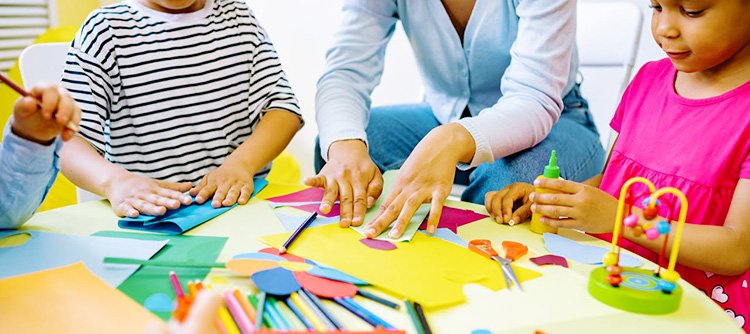
“This summer, let your child teach you to laugh more, love more, and live more.”
As summer vacation approaches, many of us wonder how to keep our energetic little ones engaged all day at home—while also managing work and household responsibilities. During school days, children had a structured outlet for their energy. Now, with the entire day ahead of them, it can feel overwhelming for parents trying to balance it all. The common solution? Enroll them in summer programs or allow more screen time to keep them occupied and safe.
And yes—summer classes now offer everything from ice skating and Kung Fu to brain development sessions. But is this what childhood summers should really look like?
Think back to your own childhood summers. Weren’t they filled with sun-drenched afternoons, tree climbing, getting dirty, scraped knees, and unstructured play? Imaginative adventures? Isn’t that what a holiday should be?
Today, children may be scoring high on IQ, but their EQ (Emotional Quotient) is often lacking. One reason could be that we've forgotten how to let children just be children—like we once were. We try to give them all the luxuries and gadgets we couldn’t have, but with children (and even adults), more is less and less is more when it comes to material things. On the other hand, when it comes to love, attention, and quality time, less is not more—more is better.
When children play creatively, without being spoon-fed content, they build essential life skills—resilience, decision-making, confidence, and joy—that prepare them for the real world.
A Poem to Remember
I tried to teach my child from books—
He only gave me puzzled looks.
I tried to teach my child with words—
They passed him by, often unheard.
Despairingly, I turned aside,
“How shall I teach this child?” I cried.
“Come,” he said, “and play with me.”
— Author Unknown
Play: The Child’s Best Teacher
Many adults say, “He’s just playing,” as if it’s insignificant. But as Beuschlein explains in her book FYI to Parents, what looks like aimless puttering—playing with paints, blocks, or toys—is actually the most powerful form of learning for a child.
Through play, children:
-
Discover and explore
-
Build self-confidence
-
Test new ideas and take risks
-
Engage in active, hands-on learning
-
Make decisions and develop problem-solving skills
-
Strengthen verbal communication
-
Interact and build relationships
-
Develop positive attitudes
-
And above all—have fun!
A Personal Story
I’ve seen this unfold right in my home. My nearly 4-year-old son started a pretend shop using real coins. He sets prices, gives change, and welcomes "customers" (Mom and Dad). Without any formal teaching, he began learning addition and subtraction—effortlessly.
With another game he invented, he now counts up to 50. But beyond arithmetic, I’ve seen his confidence and joy bloom. We laugh together making up silly skits, singing songs in gibberish, and telling wild stories. Playing with him has become the greatest stress-buster and source of joy for us.
With older children, if they don’t initiate ideas, you could recreate shows like Minute to Win It or Indian Idol at home. For younger ones, your living room can become a jungle, an airplane, or even a magical land.
No Fancy Setups Needed
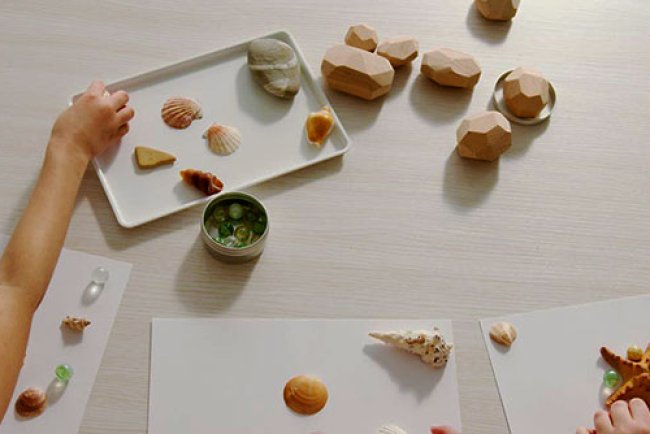
Playing with your child doesn’t require expensive materials or elaborate plans. You can set boundaries for where, what, and how long playtime lasts—together with your child. The only real barriers are often our own attitudes and lack of time.
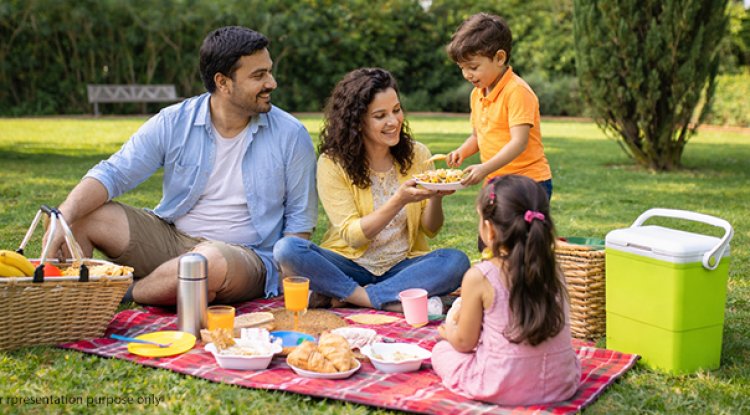
This summer, give your child the gift of imagination—and give yourself the gift of reconnecting with joy. You might just discover the secret to laughing more, loving more, and living more.
What's Your Reaction?