Culture of Violence or Culture of Silence?
Explore the roots of violence beyond bloodshed—structural, cultural, and silent forms of injustice. This thought-provoking article by Chitra & Rabbi Jayakaran calls for conflict transformation, justice, and peace through personal responsibility and social change.

Does Violence Only Mean Direct Action?
Does being violent mean only one’s direct involvement in violence, or does it also include being silent about the injustices around us?
Unresolved conflicts and the violence that follows have become a norm in our society. Whether at home, in the workplace, among friends, relatives, neighbors, on the streets, or even in religious sanctuaries, we often see a trail of bitterness, hurt, disappointment, and broken relationships.
As Ken Sande observes:
“When people lock horns in a courtroom, a congregational meeting, the bedroom, or the workplace, relationships are often severely damaged. Conflict robs us of immeasurable time, energy, money, and opportunities…”
Violence has become pervasive—from Los Angeles to Baghdad, Kabul to Karachi, and Colombo to New Delhi. In India, incidents such as the brutal gang rape of a young paramedic student in Delhi, or the Maoist ambush that wiped out top Congress leaders in Chhattisgarh, remain etched in our collective memory, largely due to extensive media coverage.
Unfortunately, public debates often focus on perpetrators’ cruelty or the lack of safety for the vulnerable, without addressing the deeper root causes of violence.
What Is Violence?
Is violence only when blood is shed or people are physically hurt? Usually, what we perceive as violence is direct and visible: when one person injures another. But this is not the only kind of violence. Two less visible but equally destructive forms are:
-
Structural Violence – where perpetrators are hard to trace. It includes denial of basic needs like livelihood opportunities, access to education, healthcare, or safe transport.
-
Cultural Violence – when traditions, beliefs, or social norms justify or rationalize personal or structural violence.
Violence often begins even before birth—with female foeticide and infanticide, or with preferential treatment for the boy child. It continues through childhood via lack of nutrition, healthcare, education, child labor, and abuse, often determined by gender, caste, or geography. These inequities become ingrained as cultural norms that follow into adulthood and beyond.
Culture of Violence and Culture of Silence
Most stories of violence go unnoticed and unheard.
-
The rise of malls, multiplexes, and call centers on forcefully acquired land is rarely questioned, while the displacement of the poor is normalized.
-
When Adivasis and other indigenous people are evicted from their land for “development,” it is not called violence—until they resist, and then their resistance is branded as violent.
Direct violence is only the visible “tip of the iceberg.” Beneath it lies the massive, concealed structure of systemic and cultural violence, sustained by our culture of silence.
When we ignore child labor, trafficking, or displacement, we enable violence. When SEZs displace whole villages, we celebrate “development.” But when our own home is threatened by a new highway, we protest. Selfishness and silence together nurture structural violence.
Heralding a Culture of Justice and Peace
Gender violence and discrimination are symptoms of a deeper social order built on conflict, injustice, and insecurity. While demanding justice is important, we must also pursue the long-term goal of creating a just and equitable society.
-
Preventive measures are as important as punitive ones.
-
Respect must replace domination in families, schools, workplaces, and communities.
-
Power imbalances—whether based on gender, wealth, or caste—must be corrected early, or they will be carried into the future.
Conflict transformation requires a change in attitude, culture, community life, and the structures that normalize violence.
Violence is not just physical—it includes how society treats children, domestic workers, people with disabilities, marginalized castes, or those caught in crossfire between State and extremist groups. Silence in the face of such injustices makes us complicit.
The Way Forward
Above all, we must affirm that violence is unacceptable. As Pope Paul VI said: “If you want peace, work for justice.”
The path to peace lies in:
-
Rediscovering personal responsibility
-
Respecting human dignity
-
Committing to social justice
The best antidote to violence is hope. People with a stake in society do not destroy it. Both individuals and institutions—whether poor or powerful—must be held accountable for how they treat the common good.
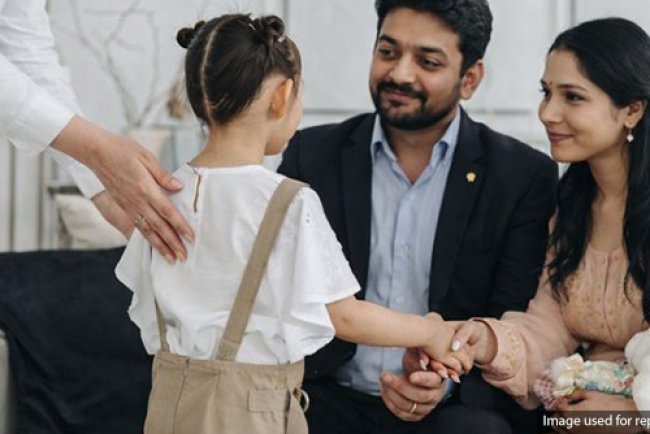
Planting Seeds of Peace at Home
Parents and teachers play a critical role in shaping future generations. Children learn most by watching:
-
When they see respect and fairness in the family, they learn equality.
-
When they see parents stand for truth, they learn justice.
-
When they see calm in the face of road rage or conflict, they learn peace.
-
When they see chores and responsibilities shared equally, they learn mutual respect.
Media and culture often reinforce stereotypes and biases. Parents and teachers must create safe spaces for children to discuss issues such as dowry, sexual abuse, domestic violence, and gender roles.
The change begins with us. Am I willing to break the culture of silence and embrace the culture of peace?
Be the change—begin today.
Contributed by Chitra & Rabbi Jayakaran, social workers heading Peacemakers, an NGO working to find radical solutions for conflict and violence while sustaining justice and peace. They are also family life educators and counselors.
What's Your Reaction?