Bringing up a Socially Responsible Child
Practical ways parents can instill social responsibility in children through values, stories, schools, and example.
It is the moral responsibility of parents to dig out inherent selfishness from their children and fill the resulting void with values and practices that encourage them to look beyond themselves and impact a needy world.
A Teachable Moment
“Stop ruining that gate!” screamed a mother at her impatient toddler as she waited outside the school. The boy was banging on the dilapidated gate, eager to be let out. With a smirk, she added, “Not yet at least—you still have two years to go.”
The message was clear. The mother was unintentionally teaching her child that caring for and preserving public property was not his responsibility unless it served him personally. Her attitude revealed a lack of both social responsibility and community spirit—a reflection of what is often seen in our society.
What Is Social Responsibility?
Sheldon Burman, author and educator, defines social responsibility as “personal investment in the well-being of others and of the planet.” He emphasizes that this does not happen by chance; it requires intention, attention, and time.
As parents, we must instill in our children sensitivity and care for others and the environment—helping them escape the “I, me, myself” mindset we adults often pass on to them.
When my daughter was two, she had her own version of the Barney song:
“I love me, you love me, and we are one big family…”
Her words were funny, but also a reflection of the selfishness children are born with. Parents must work intentionally to replace this with values that encourage children to contribute meaningfully to the world.
Giving Children Useful Roles
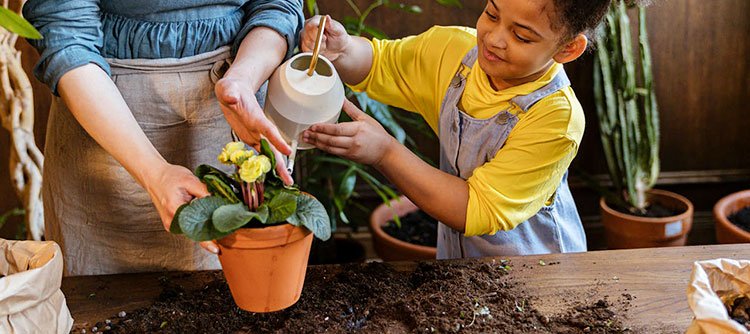
Deep down, every child longs to belong to something bigger than themselves. A sense of wholeness follows when they are given useful tasks. This can begin at home with simple activities like rinsing plates, helping with chores, or assisting in meal preparation. These tasks build self-worth and equip children to make a difference outside their homes too.
One important goal is to train children to become problem-solvers. Unfortunately, many Indian parents exclude their children from decision-making, making choices for them instead. Later, these children often lack confidence, avoid responsibility, and struggle with independent problem-solving. Encouraging informed decision-making from a young age can break this cycle.
The Power of Stories
Books also play a significant role. Children love role models, and stories with themes of kindness, sacrifice, and justice leave a lasting mark.
As a child, I devoured Reader’s Digest magazines filled with true stories of ordinary people showing extraordinary compassion. These narratives deeply inspired me to live for the good of others.
In my teenage years, I was moved by the Narmada Bachao Andolan and admired Medha Patkar for her relentless fight for farmers’ rights. I still remember standing with my school friends at a rally in Bangalore, singing “Oh oh freedom” on behalf of those facing the loss of their land. Children, as Burman says, possess a keen sense of justice and feel deeply when it is violated.
The Role of Schools
The school environment plays a vital role in shaping a child’s worldview. I studied in a simple convent school where service was the motto. We had an “Opportunity Section” for children with special needs, and from our earliest years, we were taught that they were first-class citizens of the school. We volunteered to help them, cheered for them at events, and learned to see their abilities rather than their limitations. Those lessons continue to influence me even today.
Leading by Example
Perhaps the most powerful way to teach social responsibility is by example. Research shows that children whose parents volunteer are twice as likely to become volunteers themselves. Our actions—changing our selfish attitudes and actively working to improve the world—speak louder than any words. Children learn through what they see in us.
Final Word
Teaching social responsibility is not about grand gestures but small, consistent actions. It begins at home, grows through stories, schools, and role models, and is cemented by the example we set.
Let’s get moving—because the world needs socially responsible children who will become tomorrow’s compassionate leaders.
What's Your Reaction?