Add that Color
Discover how parents can nurture creativity, leadership, and purpose in their children beyond the limits of traditional education.

A parent’s role in shaping future leaders is to add that color to their child’s otherwise dull education system.
If you’re a parent of a school-going child—this one’s for you! (Serious fun ahead.)
What Is Literacy, Really?
Let me begin by asking a simple question: What does literacy mean to you?
Most of us would say, “To read, write, and count,” and some might add “memorize.” That’s exactly what today’s education system emphasizes. So much focus is placed on these areas that other essential life skills get pushed aside—lumped into a category called “hobbies” that rarely get prioritized.
My son is four years old, and already his school is deep into this routine—teaching a long list of two- and three-letter words. His reaction? “If this is learning, it sure is boring!”
Unfortunately, this is just the beginning. It leads to an endless cycle of information overload: absorb, store, recall, and neatly write it all down.
Now, you might say:
“But that’s how the system works. If my kids don’t excel in this structure, how will they survive in tomorrow’s competitive world?”
Fair point. But let’s pause and ask ourselves—What is our role as parents?
Are we meant to mimic schoolteachers at home? Or are we called to prepare our children for life?
The Parent-Teacher Dilemma
Many of us become strict, tense, impatient, and pushy during homework time—especially when exams are near. This article is here to offer a different lens: a glimpse into your role as a parent-teacher.
Humans are visual beings—we have around 1,000,000 neurons for visual processing compared to just 32,000 for auditory. According to the VAK learning model, 70% of us are visual learners, which means we absorb more through images and stories.
Historically, communities taught through visuals—drawing, sketching, crafting, storytelling. But as societies evolved, symbols became alphabets and numerals, and education moved into the hands of the elite. A divide emerged between the simple, emotional communication of the masses and the complex, logical jargon of the few.
Today, education is still largely influenced by this structure. But what the world really needs are not just test-takers—but leaders. People who can:
-
Think creatively
-
See the big picture
-
Take risks
-
Communicate with passion
-
Innovate
So the real question is: How can we nurture these qualities in our children?
By adding color to their learning journey. Here's how:
How Parents Can Add That Color
1. Visual Learners
We’re wired for visuals. Help your children sketch their thoughts, ideas, and stories. Let them transform lessons into simple, connected images using tools like mind maps or metaphors. This aids better retention and recall.
2. Creative Problem-Solvers
Give your children real-life problems (not textbook examples) and solve them together. Let them make mistakes—and repeat them. Celebrate their unconventional solutions, even if they’re not in the answer key.
3. Play Thinkers
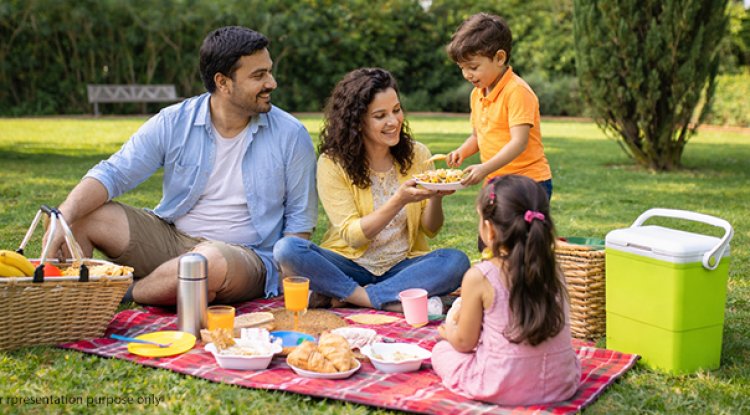
Play with your kids. Build things. Allow them to repeat the play differently each time. Encourage them to create their own games and rules.
4. Change-Agents
Make small, intentional changes in your home or routines. Yes, it may rattle them at first—but involve them in the process. Let them learn how to lead and adapt through change. (No, don’t change schools every year because I said this!)
5. Big-Picture Planners
Tap into your child’s imagination. Involve them in planning family vacations or purchases. Help them visualize the what, how, and why of each decision. Teach them to think beyond money or materialism.
6. Value-Adders
Show them that God is at the center of everything. Let them see you honor God in your life. Teach them to pray, surrender daily activities, and strive to think, speak, and act in ways that bring value to others.
A Word of Caution
As you do all the above—don’t pressure them. Let your children enjoy the process. Every child is unique. Instead of comparing, celebrate their uniqueness.
These principles are building blocks for developing future-ready, purpose-driven children. If you’re convinced, begin today. It takes time—but parenting is all about spending creative, intentional, loving time with your kids.
All images used are for illustrative purposes only and have been sourced from Pexels.
What's Your Reaction?