Where I Belong
A heartfelt personal story of a girl adopted at age nine, reflecting on her emotional journey from an orphanage to a loving family. She shares her challenges, joys, and the deep sense of belonging that grew over time, offering insight, encouragement, and hope to adoptive families and adoptees.
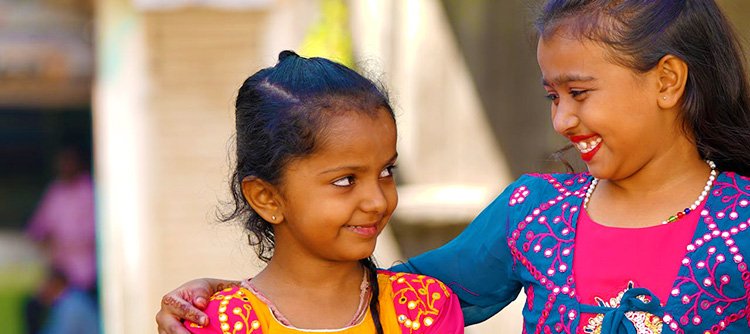
A month after my ninth birthday, I was adopted. Overnight, I had a father, a mother, and a younger sister. This is the story of how I discovered and grew to love the family I now belong to.
A New Chapter Begins
In October 1992, just a month after I turned nine, I was adopted. Two weeks before leaving the orphanage, I met my soon-to-be parents and sister for the first time. I remember thinking they were incredibly loving people.
At nine, I understood quite a bit about what was happening. I knew I was leaving my friends behind, and that thought made me sad. There was a knot in my stomach about stepping away from the only environment I had known. But at the same time, there was also a sense of excitement about this new chapter.
My guardian told me I was going to have a better future with a loving family—and with that hope, I left the orphanage and stepped into a new life.
Fitting Into a New Life
My parents had previously adopted another girl when she was just two years old. So when I joined the family, I instantly became the older sister. Since my parents were pastors of a church in Pune, we regularly hosted visitors at home and were deeply involved in church life. Looking back, those early interactions helped me adjust more quickly to my new surroundings.
But it wasn’t always easy.
One of the first major challenges I faced was the language barrier—I couldn’t speak English. My mom patiently sat with me every day to teach me. Thankfully, being surrounded by people who spoke only English helped me pick it up faster. Within three months, I joined an English-medium school, made new friends, and grew more confident.
Still, I struggled with an overwhelming desire to please everyone. I believed that if I didn’t behave properly, I might be sent back to the orphanage. But my parents would frequently tell me, "We love you no matter what." That reassurance helped me slowly let go of the fear and people-pleasing attitude, especially during my adolescent years.
Creating a Sense of Belonging
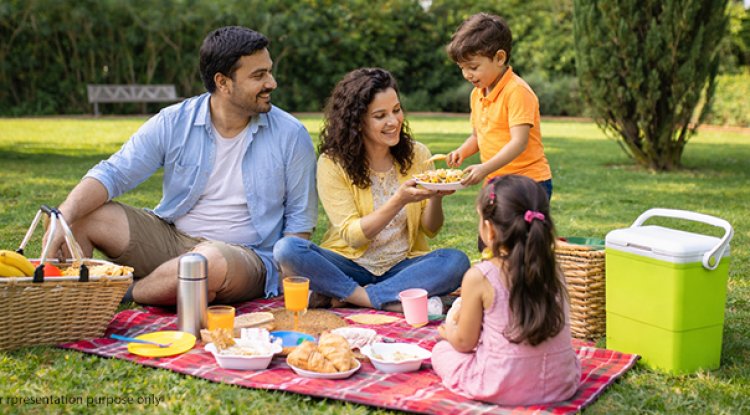
Family time was a huge part of our life. Every Monday was “family day,” and we went on two family vacations every year—all the way until I graduated from college. These memories remain some of my fondest, and I believe they played a big role in helping me feel truly at home.
During our teenage years, my sister and I had many questions about our biological families. As the older one, I often felt responsible to answer all of my sister’s questions. I remember my parents gently telling us, “We are just so thankful to God for giving us two wonderful daughters. It doesn’t matter how you came to us.”
Whenever we disobeyed or acted out, they would correct us—but also hug us and remind us that we were loved. They wanted us to grow up with strong values and a sense of security, and that shaped who we became.
Understanding My Past, Embracing My Present
As an adopted child, one thing I’ve learned is this: I never want to hear anything negative about my biological parents. I may not know who they are, but I choose to believe they loved me—and made the painful decision to give me up because they couldn’t take care of me. I’m sure it must have been incredibly hard, but they wanted what was best for me. For that, I will always be grateful.
Some of my adopted friends struggle with bitterness, thinking their biological parents abandoned them. It’s not easy to change that perspective—but I always encourage them to forgive. Forgiving my biological parents—even without knowing them—was one of the most freeing and empowering decisions I ever made.
Growing in Grace and Gratitude
Looking back, I believe my sister and I became more empathetic than most children our age. Because of the transitions and adjustments we experienced—whether at birth or later—we became more sensitive, kind, and helpful to others.
Though we have different personalities, the values our parents instilled in us helped us grow up feeling grounded and deeply connected. Based on my experience, I believe it’s always better to tell adopted children early on about their adoption story. When they grow up knowing the truth, and are continually reassured of their parents’ love, it builds trust and security.
During our teen years, my sister and I reacted differently to being adopted—but at the end of the day, despite the questions and identity struggles, we could not be more thankful to our parents for choosing us, loving us, and making us their daughters. That gives me confidence—and keeps me grounded and approachable as a person.
A Miraculous Addition
The greatest joy for our family came when my mother conceived and gave birth to a baby girl at the age of 40—a miracle, considering doctors had said it wouldn’t be possible.
I still remember my father’s prayer when she was born:
“Thank You, God, for a new addition to our family.”
That one sentence said it all.
We are—and always will be—a family.
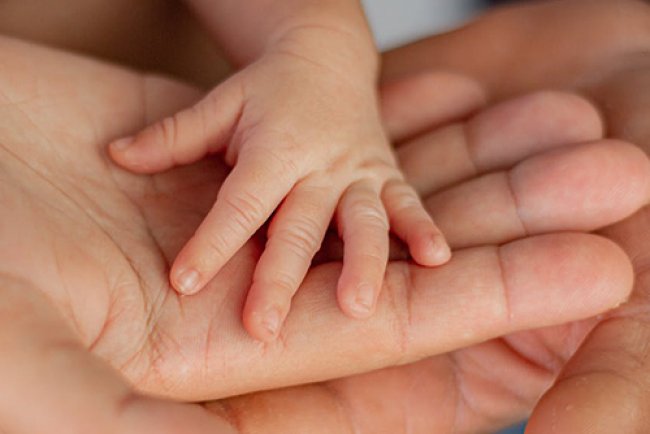
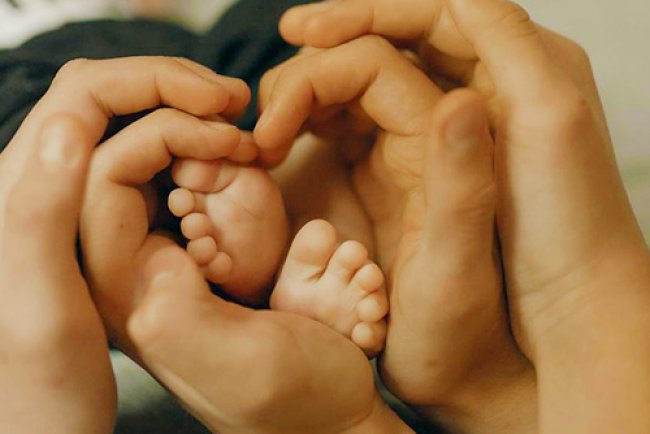
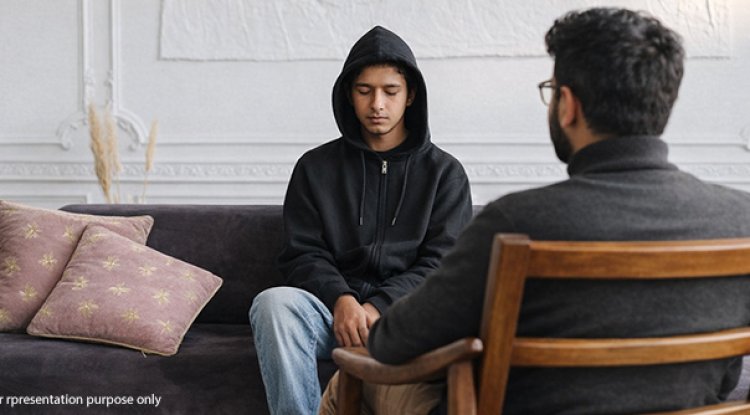
All images used are for illustrative purposes only and have been sourced from Pexels.
What's Your Reaction?