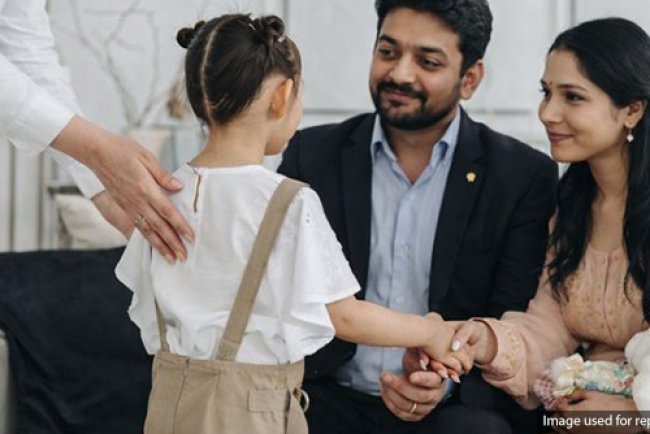
Managing our personal finances: Generous giving
Giving is more than charity—it is a principle of stewardship and a lifestyle of generosity. This article explores the importance of intentional, regular, and sacrificial giving as part of financial management, showing how generosity transforms both the giver and the receiver.
“We make a living by what we get. We make a life by what we give.” – Winston Churchill
Giving and receiving is one of life’s amazing principles, evident in nature and applicable to personal finances too.
In our previous issue, we discussed living within our means and practicing intentional saving. Until we plan our spending and make saving a lifestyle, we will continue to search our pockets and wonder: “Where has my money gone?”
Freely We Receive, Freely We Give
Another important aspect of financial management is generosity. Giving should be understood in the context of stewardship—all wealth, health, relationships, and even the earth itself are not ours to own, but entrusted to us to enjoy, care for, and leave better for future generations.
We all come into this world empty-handed and leave the same way. Giving is, therefore, an open acknowledgment that we are recipients first. From the gift of life at conception to every blessing we now enjoy, we owe it to our parents, nature, and God Almighty.
Life begins with life given.
Responding to the Needs Around Us
Need is everywhere. Some people require urgent technical or financial help without which they cannot reach their potential. Many are forced into inhuman activities, while millions lose their lives each year due to lack of support.
At traffic lights, religious centers, markets, and train stations, we see people asking for alms. Charity organizations and NGOs raise funds for survival and development. Because of such charitable giving, countless families and communities have survived and even thrived.
“No one is useless in this world who lightens the burdens of another.” – Charles Dickens
Intentional and Regular Giving
“I must be willing to give whatever it takes to do good to others. This requires that I be willing to give until it hurts.” – Mother Teresa
Financial giving doesn’t come naturally—it is a learned behavior developed through intentional practice. If we wait until we “have enough” before we give, we may never give at all.
Whatever our situation, we can and should give regularly, not just when emotions are stirred.
Some couples believe that God prospers them not to raise their standard of living, but to raise their standard of giving. One family we know decides at the start of each year how much they will give monthly, and to whom. Every family member, including children, is encouraged to practice personal giving.
Like a farmer sowing generously for a generous harvest, generous giving brings abundant returns—though not necessarily financial. No one ever became poor by giving.
Even in difficult times, studies show that people continue to give. In fact, seven out of ten people donated to charity last year despite job losses and wage stagnation.
Sacrificial and Unconditional Giving
Generous giving often involves sacrifice—similar to parenthood, which requires altering our lifestyle for the sake of a child.
Sacrificial giving means investing in a better world for both present and future generations. Many people around us live such lives of passionate generosity. Spend time with them, listen to their stories, and learn from their examples.
One woman I know inspires me deeply. She gives not randomly, but intentionally. For my boys’ birthdays, she embroidered towels with their names—a gesture of thoughtful, creative giving.
Unconditional giving means giving with no strings attached, with no expectation of return or favors. This is the purest form of generosity.
Plan Your Giving
Like saving and budgeting, giving must be planned. Questions to consider include:
-
How much should I give?
-
To whom should I give?
-
How often should I give?
-
In what form should I give (cash, kind, or service)?
Start close to home—your household staff, relatives, neighbors, or colleagues. Consider their children’s education, health needs, or personal aspirations. You may even become a point person in your community for identifying needs and mobilizing help.
Giving is not limited to money—it includes our time, talents, and care. True generosity is holistic.
Timeless Wisdom on Giving
“You give but little when you give of your possessions. It is when you give of yourself that you truly give.” – Kahlil Gibran
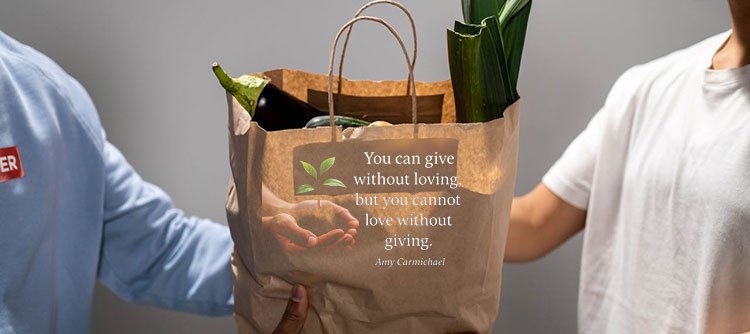
“You can give without loving, but you cannot love without giving.” – Amy Carmichael
“As we work to create light for others, we naturally light our own way.” – Mary Anne Radmacher
“Show me your hands. Do they have scars from giving? Show me your feet. Are they wounded in service? Show me your heart. Have you left a place for divine love?” – Fulton J. Sheen
Closing Thought
Generosity is not only a financial principle but a way of life. It is the conscious choice to acknowledge all we have received and to freely share it with others. When we give, we not only transform the lives of others—we transform our own.
What's Your Reaction?