Boredom is good for your child
Discover practical ways to help children overcome boredom through creativity, play, and healthy routines that build lifelong problem-solving skills.
Learning how to deal with boredom is an important life skill. It can shape an adult who knows how to fill downtime with healthy, creative outlets rather than activities that are self-harming or overly excitable.
“Mama, I’m bored.”
If you have children, that’s probably a phrase you hear often in your home. It doesn’t matter how many toys your children have or how many activities you plan, this sentence will come up again and again.
Here’s my opinion: this is completely normal. Boredom isn’t something only children experience; adults feel it too. The difference is that as adults, we’ve developed a mental “file” of ideas that pops up whenever the thought I’m bored crosses our mind.
As parents, our role is to help our children build that same file of ideas as they grow.
In other words, it’s our responsibility to help children develop problem-solving skills and coping mechanisms. This doesn’t mean we need to constantly entertain them. Instead, it means creating an environment and lifestyle where they can eventually learn to solve the “problem” of boredom on their own.
This small lesson can have a lasting impact. When children learn to handle boredom well, they are more likely to grow into adults who use their time creatively and healthily, rather than turning to destructive or addictive behaviours.
Failing to navigate this developmental stage can, in some cases, contribute to future substance abuse or other addictive patterns. So how can parents help children through this important phase?
Some Cuddle or Touch Time
Often, children act out because they’re seeking attention. They may keep coming to you during playtime, asking you to solve every little issue.
Intentional cuddle or touch time can make a huge difference. Try doing this at the beginning of the day so your child feels emotionally connected to you. This helps meet their emotional needs and gives them confidence to face the day ahead.
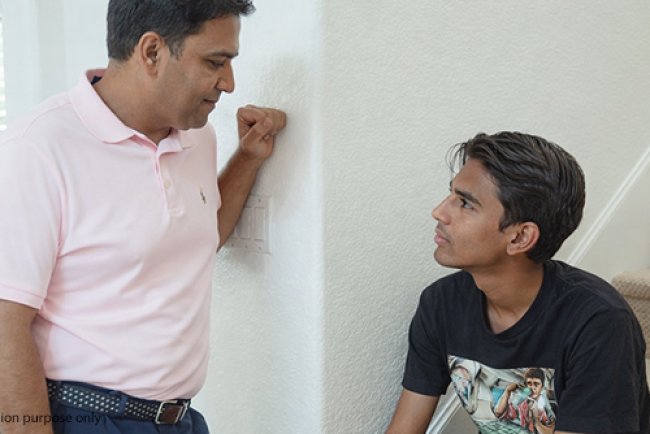
If mornings don’t allow for this, pause whenever you can. Get down to their level, make eye contact, and give them your full attention. This simple act is incredibly empowering for children.
Pre-Established Activities
Having a set of familiar activities, toys, or games gives children ready options when boredom strikes. Over time, these options become part of their “file of ideas.”
Games like hide and seek, hot and cold, thumb wars, rock–paper–scissors, Simon Says, statues, and many others give you an instant list to suggest, but children need to be taught these games first.
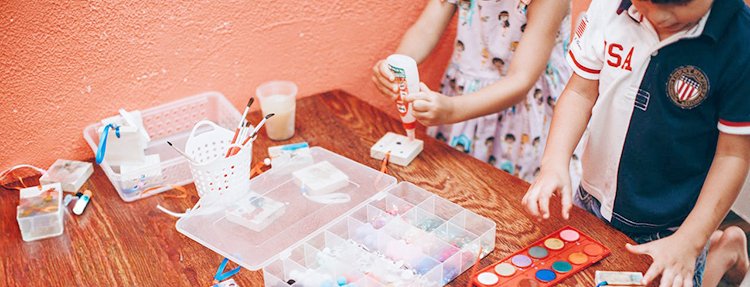
Creative activities also help: colouring, cutting, gluing, adding glitter, reading, organising, and making simple paper crafts. While some of these are better suited for children aged six and above, there are plenty of age-appropriate craft ideas for younger children as well (Pinterest has hundreds!).
Certain toys, like building blocks or Lego (for older children), are especially engaging because imagination is the only limit. For younger children, even simple household items, like pots and pans can provide endless entertainment.
Unstructured and Imaginative Play
Unstructured play is just as important as planned activities. Children are incredibly creative when given the freedom to invent their own games.
They come up with secret missions, ninja moves, magical weapons, and superpowers, and they dive into these worlds wholeheartedly. Watching children immerse themselves in imaginative play is a joy.
Often, younger siblings will join in too, following the older ones around and trying to keep up. These moments are noisy, chaotic, and wonderful, and deeply beneficial for development.
Create an Activity Corner
If you can dedicate even a small corner of your home to your children, it can bring them immense joy, and give you some peace too.
A simple setup with a bookshelf and a small desk or mat for drawing and painting works beautifully. Let this be a space where mess is allowed. Children love having a space that feels like it truly belongs to them.
This corner becomes another resource they can turn to when boredom hits. You can ask simple questions like, “Would you like to read a book or draw something?”
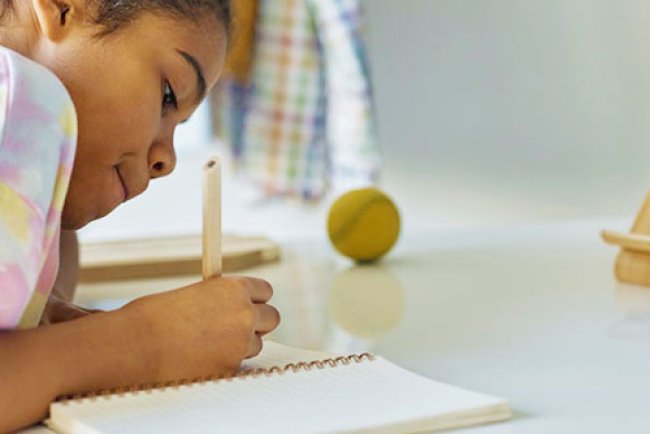
Art supplies don’t need to be expensive. A small set of watercolours and a few sheets of paper can go a long way. Avoid giving them a fixed object or picture to copy, let them experiment freely with lines, colours, and shapes. Display their artwork proudly; you’ll have your own gallery of abstract art!
Children instinctively know what to do with paint and paper. Even toddlers delight in dabbing and spreading colour across a page.
Switch Things Up
Sometimes boredom just means children need a change of scene. If they’ve been outside, bring them in. If they’ve been upstairs, go downstairs. Moving from one room to another can feel refreshing.
Children need movement. Staying in one space for long periods can feel draining and restrictive. Changing the environment gives them a fresh perspective and often renews their interest in toys and activities they had grown tired of.
Take Them Outside
Even 15–30 minutes outdoors can work wonders. Fresh air is incredibly energising for children.
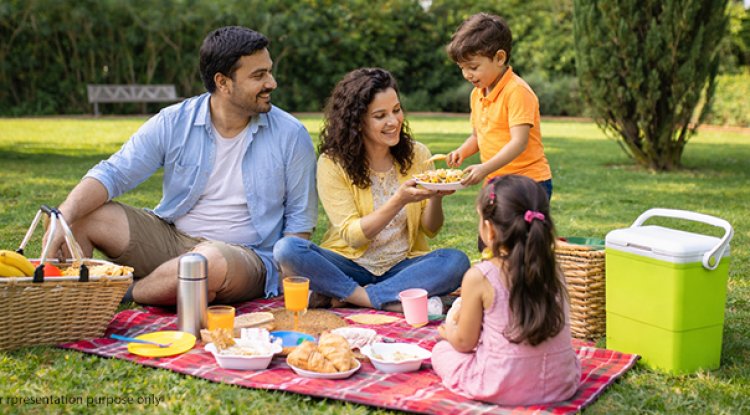
Go for a walk, visit a nearby playground, or take them along for simple errands, to the sabziwala, the tailor, or the local shop. Yes, outings may take longer with children, but they also create opportunities for connection.
Use this time to talk, observe colours and plants, explain vegetables, count coins, or let them help choose items. These shared experiences strengthen your bond.
If possible, take one child at a time while your spouse stays home with the others. One-on-one time builds confidence and reassures children that they are deeply loved.
Re-cycle Toys
If you’re highly organised, I applaud you, I’m not! But here’s a simple trick: rotate toys.
Put away some toys that aren’t being used and bring them back out after a few weeks. They’ll feel brand new to your children. Keep only a few toys accessible at a time and rotate regularly.
Remember how it felt when seasonal clothes were taken out after months? Toys work the same way!
Clean Up Together
Cleaning up teaches responsibility and gives children a fresh start when they return to a space. A clean area feels inviting and calm, for both children and parents.
Clutter can overwhelm children and overstimulate them, making it harder to focus or enjoy play.
Keep Toys Organised
Keeping toys organised in separate boxes or baskets makes play more enjoyable. When everything is dumped into one large box, children feel overwhelmed searching for what they need, and a bigger mess usually follows.
Grouping similar toys together (puzzles, kitchen sets, dolls, blocks) allows children to take out one box, play, and put it away easily. This reduces mess, prevents toys from getting lost, and encourages independent play.
Encourage Play with Other Children
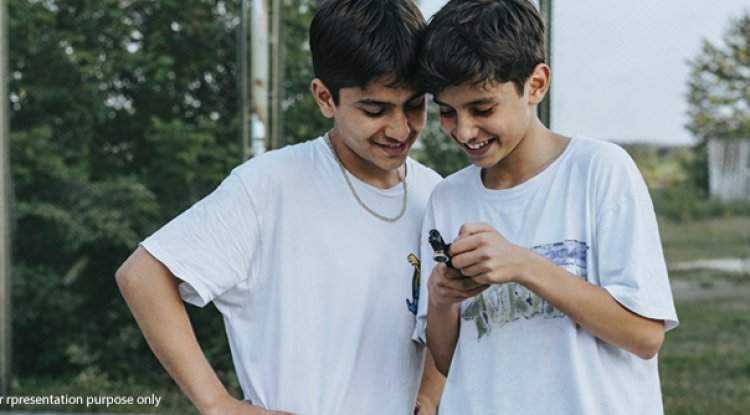
Playing with friends is invaluable. Time flies when children are engaged socially, and they learn important relational and social skills in the process.
In close-knit communities, boredom is rare, children are usually more concerned about when they can meet their friends!
Ask the Right Question
Finally, ask your child: “What do you want to do?”
This simple question shifts responsibility to them and teaches them to think through their options. Walk them through possibilities, playing with toys, drawing, painting, reading, going outside, inventing a game, or making a craft.
Each time you do this, you’re helping them practise dealing with boredom and building their internal “file of ideas.” Keep at it, and one day you’ll realise you can’t remember the last time you heard, “I’m bored.”
What's Your Reaction?