Building Back Fitness for the Elderly
Practical health tips for the elderly on staying active after illness, improving nutrition, preventing dehydration, and maintaining strength through daily walking and balanced meals.
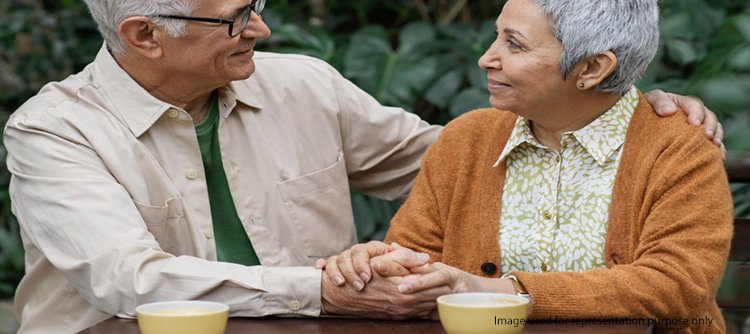
In recent months, many elderly people have been struggling with repeated bouts of cold, cough, fever, and influenza. After recovering, they often feel weak and tired, making them reluctant to resume their regular walking or exercise routines.
This can trigger a vicious cycle—reduced physical activity leads to poor appetite and a decreased desire to drink water. Eventually, this results in weakness, dehydration, constipation, and acidity. The good news is that much of this is within our control. It truly is a matter of mind over matter.
Tell yourself that if you can brush your teeth and take a bath, you can also walk, drink water, and eat well in the coming months.
Make Walking a Daily Priority
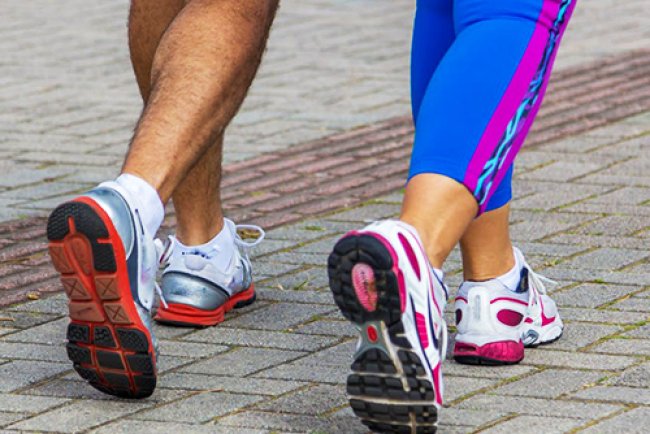
The first step toward recovery is to make walking a non-negotiable habit. Ideally, try to walk in the morning. However, if that is not possible, choose any time that works for you—mid-morning, afternoon, or evening. The key rule is simple: do not go to bed at night without completing your walk for the day.
If needed, start small. For the first few days, you can walk around your living room, balcony, or garden. What matters most is making a start.
Walking is the key—it warms up the body, relaxes muscles, improves circulation, and creates a sense of well-being and strength. Appetite improves, thirst increases, and the body’s natural rhythm begins to function smoothly again.
Eat Balanced, Regular Meals
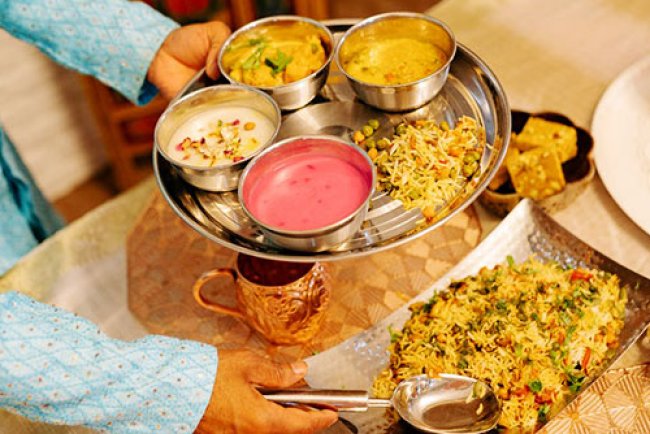
The first principle of good nutrition is never skip a meal. Also, meals should never consist only of fruits, soups, milk, or boiled vegetables.
Each meal must be balanced and include:
-
Carbohydrates such as bread, rice, chapatti, etc.
-
Protein sources such as milk, curd, dhal, eggs, fish, or chicken.
Elderly people need more protein to prevent muscle and tissue breakdown that occurs with aging. This requirement can be met by:
-
Drinking 2–3 cups of skimmed milk or curd daily
-
Including ½ cup of dhal, sambar, or pulses at both lunch and dinner
-
Eating 1–2 egg whites daily, either at breakfast, in a sandwich at tea time, or with any meal
-
Including fish or chicken at lunch when possible
Importance of Calcium and Iron
Calcium is essential due to increased bone loss after the age of 50. Therefore, 2–3 glasses of milk or curd daily are a must. Skimmed milk is ideal as it is nutritious without being fattening.
Iron requirements also increase with age. A balanced diet with regular meals—breakfast, lunch, and dinner—is crucial. Elderly individuals with iron deficiency may benefit from switching from a rice-based diet to a wheat-based diet, as this has been shown to improve iron levels. Dhals and pulses are also excellent sources of iron and should be included in both lunch and dinner, even if only half a cup per meal.
Vitamins, Fruits, and Hydration
Adding a fresh raw salad to both lunch and dinner boosts vitamin B and C intake, which improves iron absorption. Vitamins B, C, and D are required in higher amounts as absorption decreases with age.
Consume two fruits daily—one at around 11 a.m. and another at 6 p.m. Apples, pears, guava, pomegranate, oranges, and musambi are ideal choices. These fruits are safe even for diabetics and are rich in fiber, helping to relieve constipation.
Dhals and pulses also contribute valuable vitamins to the diet.
Stay Hydrated and Active
Finally, make sure to:
-
Drink 2–2½ liters of water daily
-
Walk for 20–30 minutes every day
These simple habits go a long way in keeping the elderly fit, active, and healthy.
What's Your Reaction?