All by Myself
Our experienced family counselors answer your questions on relationships, marriage, and parenting.
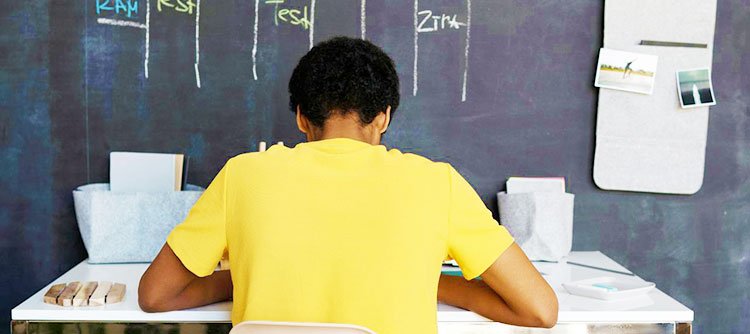
Q: As a single parent, I’m very concerned about my eldest son’s performance at school. His grades have been dipping over the past year, and he doesn’t take his studies seriously. He becomes agitated whenever I try to talk to him. Sometimes, I fear he is becoming like his father. I don’t know how to help him realize the importance of working hard for a better future.
Answer:
It’s clear you deeply care about your son’s education and future, and navigating this as a single parent can be especially challenging. His agitation and rebellion are understandably upsetting. It’s natural for parents to feel anxious when academic performance declines.
Start by reflecting on possible reasons for the drop in his grades. Ask yourself:
-
Do your expectations match his aspirations for higher education?
-
Have you had an open discussion with him about his goals and concerns?
-
Could there be anything happening at school—such as peer pressure, relationship issues, or learning challenges—affecting his performance?
-
It’s also important to consider whether unresolved emotions related to becoming a single parent are influencing your interactions with him. Your fear that he might become like his father may be affecting how you relate to him, even unconsciously.
Your son is likely in his late teens—a stage where identity formation is critical. He may be asserting his independence, wanting more control over his choices. If his grades have only recently dipped, it’s likely not about ability, but perhaps motivation or emotional stress.
Sometimes, expressions of parental care may unintentionally come across as controlling. While you are rightly invested in his future, he may feel suffocated if not given space to make decisions. Adolescents seek autonomy; parents often seek to maintain influence. This dynamic can lead to conflict.
You may need to take the courageous step of trusting him to make some of his own decisions. This can facilitate holistic development and nurture his ability to take responsibility for his future. Helping him discover his passions and trust in his choices may do more for his growth than academic pressure ever could.
Q: I was totally shattered when I found pornographic material in my son’s school bag. As a single parent, I feel completely lost about how to handle this.
Answer:
Finding such material is deeply upsetting, and it can be even more overwhelming when you’re parenting alone. While this may feel like a crisis, it’s also an opportunity to intervene with care and wisdom.
Firstly, consider that curiosity about sexuality is a normal part of adolescence. However, excessive or premature exposure to sexually explicit content—especially via media or the internet—can distort a young person's understanding of sexuality. If this is a first-time incident, it may be influenced by peer pressure or a desire to explore what others are talking about.
Here are a few steps you can take:
-
Ask open-ended, non-accusatory questions like:
-
How did you come across this material?
-
How long have you been accessing it?
-
Are there other sources (e.g., internet cafés, phones, friends) he uses?
-
-
If internet use is a concern, move the computer to a public area and install filtering software. Activate “Safe Search” settings on browsers to reduce accidental exposure.
Keep in mind that sometimes pornography use may be a coping mechanism—used to deal with stress, trauma, or emotional pain. In such cases, professional help may be necessary. It could also be a way of seeking attention or filling an emotional void.
Maintain a calm, non-judgmental environment where your son feels safe to open up. If you feel uncomfortable having this conversation with him, consider involving a trusted male family member he can relate to. Alternatively, a professional counselor can offer neutral support and guidance.
The most important thing is to keep communication channels open. Your love, patience, and willingness to engage—without shame or fear—can make all the difference in helping him navigate this difficult stage of life.
What's Your Reaction?