A Second Chance
Prison Fellowship India, led by Dr. Kunjumon Chacko, has served for over 40 years in the correction, welfare, and rehabilitation of prisoners and their families. Learn about prison ministry, criminal behavior, the power of parenting, and the hope of transformation through faith, counseling, and community support.
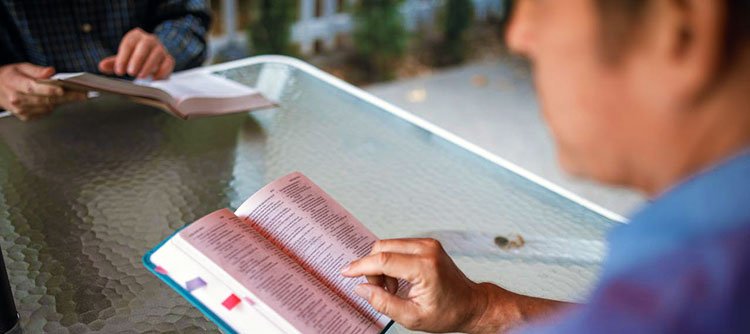
Interview with Dr. Kunjumon Chacko
Founder Chairman, Prison Fellowship India
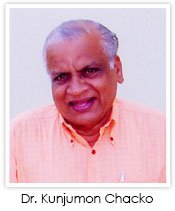 Dr. Kunjumon Chacko is the Founder Chairman of Prison Fellowship India (PFI), a chartered member of Prison Fellowship International with consultative status at the United Nations. He has been deeply involved in the correction, welfare, and rehabilitation of prisoners, ex-prisoners, and their families.
For over 40 years, PFI has positively impacted the lives of inmates and their families. With the support of over 800 volunteers, PFI provides rehabilitation assistance, educational programs, and a halfway house for more than 100,000 prisoners.
In this interview, Dr. Chacko shares insights into the profile of a person with criminal tendencies, how parents can protect their children from falling into destructive patterns, and the importance of partnering in prisoner rehabilitation.
Q: What is prison ministry, and what challenges does PFI face?
Prisoners are people just like us. Some are first-time offenders, others are habitual offenders, and some are involved in property-related or life-related crimes. Given a second chance, many can return to normal life. They experience anxieties, pains, and struggles like anyone else. Unfortunately, our criminal justice system is often more retributive than reformative.
Every prisoner is like a volcano waiting to erupt, posing a threat to society. A prison is not a place of honor for any government; it reflects the brokenness of society. Working with prisoners gives them the opportunity to reflect on their lives and many choose to change.
While officials are cooperative, our greatest challenge is finding volunteers with compassion for prisoners and their families. Prison ministry is often undervalued, yet the needs of prisoners are immense.
Q: What kind of interventions does PFI offer?
We provide counseling, reconciliation efforts, discipleship training, and employment assistance for released prisoners.
Q: With rising crime in the media, has violence increased in Indian society?
Yes. Criminal tendencies are on the rise globally, and India is no exception. The media not only reports crime but often glorifies criminals, further normalizing violence.
Q: How does a person fall into a destructive lifestyle?
There are many reasons, but a lack of proper family values is a major factor. Wrong values formed in early childhood often lead to destructive choices.
-
In the first five years, children learn by watching their parents.
-
At school, peer influence becomes stronger.
-
With limited parental involvement, many children are shaped more by media than by family.
-
Lack of supervision in friendships, money, and entertainment leaves children vulnerable.
As teenagers, peer pressure intensifies. As youth, unsupervised freedom often leads to rebellion, alcohol, drugs, and crime. For many, the first brush with the police lands them in remand prison, which becomes a training ground for advanced crime.
Q: Are parenting patterns really so influential?
Yes. Children usually follow what they see at home. However, some children of criminals have chosen a different path. Parenting is a major influence, though not the only factor.
Parents must:
-
Love their children unconditionally.
-
Give individual attention, making each child feel valued.
-
Show unity in marriage, which gives children security.
-
Appreciate and affirm their children.
As the Bible says: “Train up a child in the way he should go, and when he is old, he will not depart from it.” Children must grow with a sense of dignity, purpose, and belonging.
Q: Is rehabilitation possible for all criminals?
Rehabilitation is always possible, but it requires cooperation. The released prisoner must commit to change and work with a counselor. Society must also extend opportunities for reintegration.
As the saying goes: “There is no saint without a sinful past, and no sinner without hope of forgiveness.”
Q: What kind of transformations have you witnessed?
I cannot claim 100% success, but over the last 40 years, I have seen thousands of prisoners once labeled as incorrigible return to society, earn an honest living, and live as law-abiding citizens.
Q: How does PFI support families and children of prisoners?
When the only breadwinner is imprisoned, families suffer the most—especially women and children. Many children end up on the streets, stigmatized and denied opportunities.
Through Precious Children Home, we provide food, clothing, shelter, medical care, and education to these children. After higher secondary school, we offer skill training:
-
Girls are often sent to nursing school (13 nurses trained so far).
-
Boys receive technical training in various trades.
Q: How can society contribute to prisoner rehabilitation?
The same society that sends people to prison must also take responsibility for their reintegration.
I challenge you: Do you know someone in your community who has been in prison? If yes, reach out to them before it’s too late. Help them find employment and involve local police and community leaders in their rehabilitation.
What's Your Reaction?