A Balanced Diet Plan for your Children
Help children build healthy habits early with practical guidance on water intake, balanced nutrition, meal planning, and smart food choices. Learn how proper hydration, diet balance, and structured meals can support growth, concentration, and long-term well-being in children.
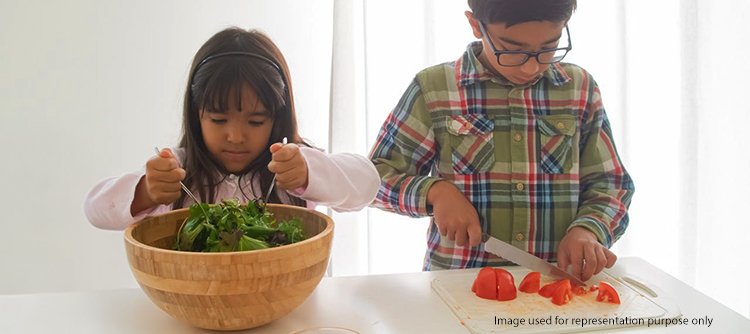
There is much talk about how adults can live healthier lives, but it is equally important to help the next generation... our children... develop healthy habits to ensure a better future.
When Should This Start?
From birth, but practically from the age of five and onwards. The miracle fitness formula... Walk, Water, Diet applies to children as well.
Water
Due to greatly reduced physical activity today, many people, especially children, drink less water and prefer commercially advertised fizzy drinks, juices, and shakes. However, nothing can substitute plain water, which the body needs.
-
Children aged 5–8 years need at least 1½ liters of plain water daily.
-
Ages 8–12 years require 2 liters.
-
Ages 12 and above need 2½ liters.
Water keeps the body alert, fresh, and clean. Dehydration leads to sluggishness and unpleasant body odor. Research shows that a fully hydrated brain works more efficiently, especially with mathematical calculations... something every parent wants for their children!
Diet
Parents must set good examples by eating healthily. The two biggest rules are:
-
Never skip meals, especially breakfast.
-
Encourage children to eat fresh fruits and vegetables (salads) daily.
Raw fruits and vegetables are rich in vitamins, minerals, and fiber. They are essential for building resistance to infections and maintaining smooth bodily functions.
Controlling Fatty Food Intake
The key is not forbidding fatty foods but budgeting them. No one... young or old... can eat fatty foods daily without consequences. Chocolates, chips, pastries, ice cream, pizza, and burgers are delicious and exciting for kids, but parents must supervise and limit these treats to 1–2 times per week.
A Thought to Ponder
“Can a person determine their identity and worth based on the ‘Likes’ they earn on social media?”
Healthy Menu Plan for Kids
A proper balance of carbohydrates and proteins is crucial for good growth and to prevent unhealthy eating habits. Low protein intake often leads children to feel hungry soon after meals, pushing them toward chocolates and sweets.
Breakfast
Starting the day without breakfast is unhealthy. A child on an empty stomach will struggle to concentrate, think clearly, and may become moody or irritable. Even waking your child 15 minutes earlier is worth ensuring they don’t leave home hungry.
-
A glass of milk alone is not balanced.
-
Ideal breakfasts include milk with 2 slices of bread, cereal with milk, or porridge with milk.
-
Milk and egg alone are protein foods but need to be combined with bread or chapati for balance.
-
Bread with jam or butter alone is insufficient because it lacks protein.
-
Dosa, idli, and sambar are good choices as they combine rice and dhal.
-
If your child leaves before 7 a.m., at least give a glass of milk and a small banana. The 10 a.m. snack should include their breakfast.
Note: Raw eggs do not provide digestible protein and pass through the body unused unless fully cooked.
Lunch
Never send only snacks for lunch. It must be a balanced meal. Children should learn from a young age that breakfast and lunch are proper meals. Skipping meals early and overeating in the evening contributes to obesity, diabetes, and heart disease.
Common mistakes include sending only carbohydrate-heavy foods like lime rice, tamarind rice, or pulav, or sabji with chapati without protein. Always include protein sources such as dhal, pulses, non-vegetarian items, eggs, or curd.
Examples:
-
Chapati with thick dhal, channa, or rajma plus sabji.
-
Chapati rolled with vegetables and shredded non-veg, egg, or paneer.
Lunch should be eaten at school between 12 noon and 1 p.m., not later when the child returns home.
Teatime
Avoid serving lunch late in the day... 4 p.m. is teatime. When children return from school, provide a glass of milk and a healthy snack like vegetable, jam, egg, or cheese sandwiches. After playtime (around 6 p.m.), offer a fresh fruit.
Dinner
Dinner should again be balanced: roti or rice with dal or pulses and a vegetable dish. Curds and non-vegetarian dishes can be added, along with a salad.
For continental dinners, ensure proper balance: pasta served with vegetables and a protein source like white sauce, cheese, or eggs.
If serving non-vegetarian food at night, restrict the quantity and frequency to 2–3 times per week; it can be consumed more often at lunch.
Food Distribution
Distribute food intake as follows:
-
Breakfast + snack: 40%
-
Lunch + tea: 40%
-
Dinner: 20%
If the pattern is breakfast 0–10%, lunch 20%, and dinner 70%, this can pave the way for obesity and other diseases.
What's Your Reaction?