The Harp or the Horn?
Discover how adopting the right values and choosing thoughtful responses over reactions can heal broken relationships. Learn to foster love, appreciation, and lasting harmony in your family and beyond.
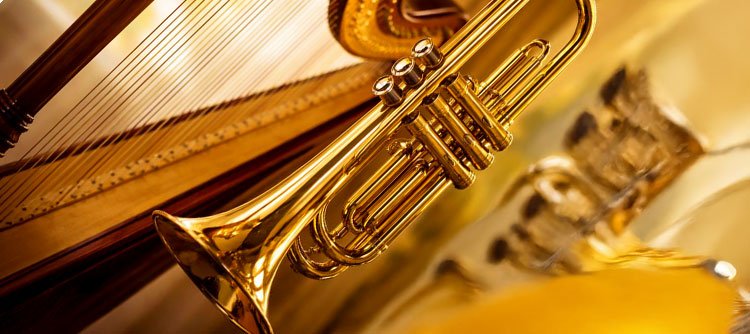
Both start with the letter “H,” and both emit a sound. Yet, if given a choice, no one would rather listen to a horn than a harp. In the same way, our interactions with others should be thoughtfully tuned—our speech, actions, and emotions ought to be soothing rather than harsh.
A relationship flourishes in an environment of love, care, respect, and mutual value—value for the person as they are. When you say you love someone, it calls for a commitment that goes far beyond words. At times, it may even be easier to earn a day’s meal for someone than to live up to what it truly means to say, “I love you.”
Here are two simple yet powerful ways to choose to be a harp rather than a horn in your family and with those around you.
Response vs. Reaction
It is wise to start right at the onset. If we develop the habit of responding rather than reacting, half the battle is already won. This creates the right space to think clearly and communicate effectively.
For instance, imagine you are walking on the road and a motorbike brushes past, grazing your bag and causing it to swing back into your face. What would you do? Would you react—spewing angry words, chasing the rider, or trying to hit him with the same bag? Or would you pause, take a deep breath, adjust your belongings, calm yourself, and continue walking?
Choosing the second option helps you avoid unnecessary stress and prevents the incident from affecting the rest of your day. This ability comes through regular training of your emotions and feelings. The more you practice, the better you become at handling similar—or even more complex—situations.
Pilots are trained to face the worst and most unexpected scenarios so that they respond with maturity rather than panic. They are taught to follow instructions calmly under pressure. Of course, there are moments when urgency and quick reaction are required. The key is learning to assess the situation and choose the right response.
This practice must begin at home and then extend to our interactions with others. Imagine how peaceful a home would be if, during conflict, people chose calm conversation over throwing words—or objects—at one another.
Appreciation vs. Criticism
Appreciation builds; criticism hinders—unless criticism is carefully understood and constructively expressed. We do not need research to tell us how appreciation or criticism feels. Each of us has experienced both, and we can all agree: we prefer to be appreciated.
Studies show that when a person is appreciated, their heart rhythm moves into harmony, bringing the heart and brain into a coherent state. Every individual is unique, gifted with different talents. If we begin noticing what our spouse, parents, friends, or colleagues do well, we may be surprised to see how excellently they perform certain things—often better than we do.
Let us choose to build one another up. When we do, beauty, grace, and honour add strength and depth to our relationships.
The Power of Healthy Relationships
Human beings are not created to live in isolation, but in strong, connected, and growing relationships. John Joseph Powell beautifully said:
“It is an absolute human certainty that no one can know his own beauty or perceive a sense of his own worth until it has been reflected back to him in the mirror of another loving, caring human being.”
How true this is! Yet, broken relationships have caused more damage to humanity than wars and weapons. Many issues could be resolved if we chose to base our convictions and opinions on the right value system.
Do we uphold a value system that seeks only personal gratification and self-fulfillment? Do we wave the banner of “My way or the skyway”? When both individuals in a relationship cling to this mindset, progress becomes impossible. Nothing moves forward, and nothing gets resolved.
Such attitudes often lead to breakups, conflict, abuse, and ultimately the death of a relationship—something none of us desire. Therefore, it is essential to reflect on what truly drives our thoughts, values, and actions. With this awareness, we can intentionally choose to transform our reactions into thoughtful responses and pursue harmony in all our interactions with one another.
This conscious decision to act with the right intentions creates space for freedom, healing, and love to grow within relationships.
“Pleasant words are a honeycomb, sweet to the soul and healing to the bones…
Pleasant words are a honeycomb: sweet to the taste and health to the body.”
— Bible
What's Your Reaction?