Manage your weight even during your holiday
Learn practical tips to maintain your diet while traveling. Discover how smart meal planning, portion control, light dinners, regular walking, and proper hydration can help you enjoy holidays without gaining weight.
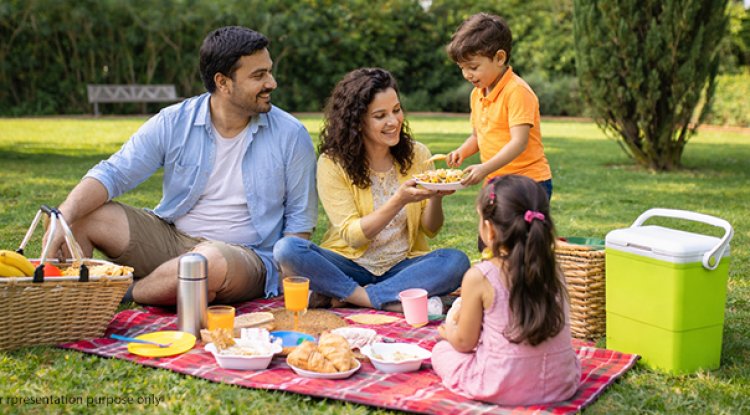
Many of us follow a diet plan for at least two to three months. Sometimes, a family holiday or travel plan comes up during this period. It is important not to give up on your diet but to do your best to keep the program going—even while traveling. If you are careful, you can at least maintain your weight until you return.
Get Your Focus Right
Holidays are not only about eating and drinking uncontrollably. While relaxation often makes us feel we don’t want any restrictions, being too relaxed can undo all the hard work you’ve put into your health. Mentally prepare yourself to enjoy some local delicacies, but don’t plan to overeat from morning to night.
Think of it like winning a lottery and then spending irresponsibly until you can’t even buy food for your children. That would be careless. Similarly, we need to be sensible with our bodies. You can’t say, “I’ll eat whatever I want and go on a diet later.” Believe me, it’s very easy to gain 3–5 kg in just 10 days.
Before you set out, make a firm decision to be sensible and cautious.
Avoid the Most Common Holiday Diet Mistake
A common practice while staying at bed-and-breakfast hotels is to:
-
Eat a very heavy breakfast
-
Skip lunch or have only juice and a sandwich
-
Eat a huge dinner packed with rich foods
This is one of the most harmful habits. If your body needs three slices of bread but you eat six, the extra calories are converted into fat and stored.
A Sensible Breakfast
Choose options such as:
-
1–1½ cups of cornflakes with 1 cup of skimmed milk
-
2–3 slices of toast with an egg
-
2–3 idlis with sambar
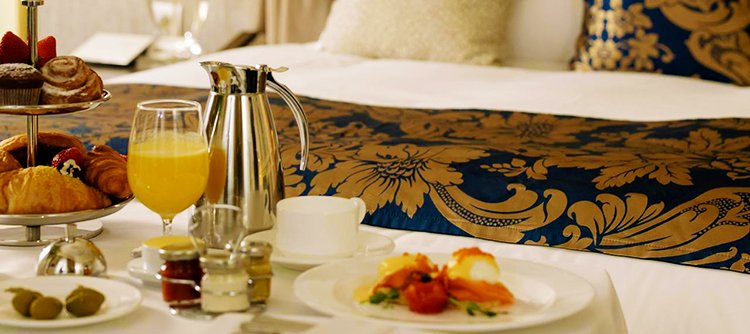
Avoid fried bacon, sausages, heavy pastries, croissants, or vadas. Skip butter. A small amount of jam or honey is acceptable.
Take the fruit served at breakfast with you and eat it around 11 a.m. instead of reaching for wafers or chips.
Make Lunch Your Main Meal
Lunch should be the heaviest meal of the day. This is the best time to enjoy local specialties—not dinner.
Your lunch should include:
-
Whole wheat bread, rotis, or rice
-
Dal, beans, or pulses
-
Vegetables
-
Curd or a non-vegetarian option
Always include a fresh salad. It is filling and replenishes vitamins and minerals lost through walking and sightseeing. If you want dessert, have a small portion after lunch and avoid desserts at dinner.
Smart Snacking and a Light Dinner
-
Enjoy tea at teatime
-
Have a fruit around 6–7 p.m.
-
A cup of yogurt or a glass of skimmed milk at this time can prevent overeating at dinner
Dinner Guidelines
Dinner should be light and balanced:
-
Clear vegetable soup
-
Whole wheat bread with baked vegetables
-
Rotis with dal or pulses
-
Plenty of salad
If you are still hungry at bedtime, a glass of skimmed milk or a fruit is allowed.
Why Late-Night Fatty Foods Are Harmful
Any fatty food eaten after 6 p.m. is converted into fat by midnight and stored in fat cells. Starving all day and eating a heavy, fatty dinner is useless. Even if it’s just one meal, the fat from that meal is stored while you sleep.
Over 10 days:
-
Eating heavy dinners every night will cause weight gain
-
Eating heavier lunches instead may result in little to no weight gain (or just 1 kg, which can be shed easily after returning home)
Keep Moving and Stay Hydrated
You don’t need to stop walking just because you’re on holiday. Try to fit in a 20–25 minute walk in your hotel driveway, either in the morning or evening.
Finally, drink plenty of water whenever possible. 2 to 2.5 liters per day is essential.
What's Your Reaction?