Depression & Anxiety – You are not Alone
A personal journey through anxiety and depression, highlighting the path to diagnosis, treatment, and hope with faith, counseling, and support.

“You are suffering from anxiety and depressive disorder.” These words paralyzed me. How could I—such a friendly person, always with a smile on my face, with everything a person could ever want—be suffering from depression? It must have been a wrong diagnosis.
But looking back, deep inside, I knew the doctor was right.
Early Signs and Struggles
This was not my first visit to a doctor. Months before, I was overcome with fear—fear of stepping out of the house or going anywhere alone. I couldn’t carry out my daily chores or even interact with people. I could not step outside even for small errands, let alone bigger things like going to my kids’ school. Even the activities I usually loved suddenly felt frightening. It was only later that I realized it was intense anxiety, not just fear.
By God’s grace, I was at least aware that something abnormal was happening. I had never been like this, and there were no particular reasons for my anxiety or depression. I consulted various doctors, saying things like, “My head feels funny; I have some sort of imbalance.” This led to a series of tests and treatments for various symptoms. They suggested checking my eyes, ears, or suspected vertigo. With each prognosis, I withdrew further, and my life descended into chaos.
Isolation and Misunderstandings
I shared these feelings with friends I thought would understand. Their reactions were hurtful: “You have become too selfish,” “What’s happened to your faith?” “Don’t you believe there is a God who can heal you?” These comments made me withdraw even more.
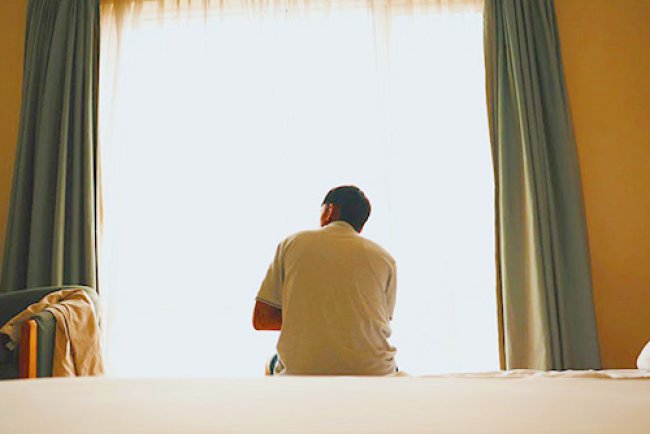
My husband was unaware of what I was going through, as I masked these feelings for a while. But soon I reached a point where I was scared to step out the door. I had to tell him. I was afraid to be home alone; I feared I would fall and embarrass myself if I stepped outside. My husband realized I needed help.
Acceptance and Treatment
The bold step I took to meet a doctor at a program brought me to my senses—it truly was “anxiety and depressive disorder,” not a physical illness. I had always believed in God and His grace, having been through traumatic experiences before where He held me strong. Now, I knew I had to trust Him and move forward.
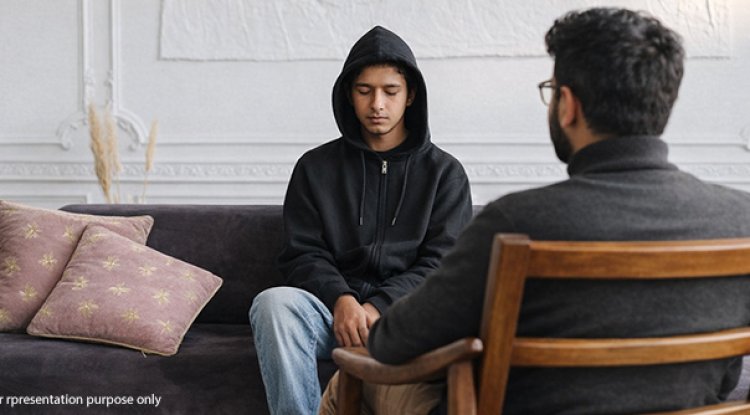
I knew I needed to see a psychiatrist, but I was embarrassed and afraid. No one I knew had ever been to a psychiatrist. What if friends, neighbors, or relatives found out? The thought of anyone seeing me enter or leave the clinic was unbearable. Every visit, I prayed, “Let me not bump into anyone I know.”
My husband stood by me throughout the treatment, offering unwavering support. The psychiatrist explained that my illness was curable and dispelled many fears I had about psychiatric medication. For the first time in a long while, I felt hope—not magic healing, but relief because someone understood me, accepted my condition, and assured me I was not alone. That moment of relief was liberating. Rays of hope filled me, enabling me to face the challenges ahead.
The Road to Recovery
Treatment began, and I carefully followed the doctor’s directions. Slowly, things changed. My depression left me completely, though it took some time to overcome anxiety bouts.
This experience made me reflect on my life and what had gone wrong. I had endured a traumatic event years earlier but had never dealt with my feelings or shared them, especially with my husband, for fear of rejection. I always wore a plastered smile that made everyone think I was happy.
I learned to let go of unmet expectations and focus on the blessings in my life. I accepted my limitations graciously. I began saying “no” when I couldn’t take on commitments. Whereas before I never asked for help, now I started to. I also realized accumulated stress contributed to my breakdown—I needed recreation, entertainment, even a holiday.
I reevaluated and realigned my priorities, which helped tremendously. Self-acceptance, love, and forgiveness were vital to healing. I learned to let go of anger and bitterness that had built up over time. I began engaging in small activities that rejuvenated me, such as storytelling for children.
Life After Medication
After some time, I got off medication. I did have one relapse that took a toll, but by God’s grace, I bounced back. Anxiety still visits occasionally, though never as intensely. When it does, I use muscle relaxation exercises, listen to music, attend Bible study, seek counseling, remind myself of God’s faithful strength, or call a friend to share what I’m going through.
I notice symptoms worsen when I have too many tasks or commitments. I now consciously manage my schedule to keep stress in check.
New Purpose and Gratitude
God blessed me with an understanding family and supportive friends. I am deeply grateful to my psychiatrist, who encouraged me to reach out to hurting people. She said, “You should get into counseling; you will make a good counselor.” I knew that was God’s plan, so I accepted the challenge.
My counselor has made a huge difference by keeping me focused, teaching me how to cope and move forward positively. She challenged my beliefs and thinking patterns, which aided my healing. She remains my friend, philosopher, and guide.
I successfully completed a counseling course, thanks to my mentor who believed in me. Today, I counsel, teach, pray, and encourage others. I have helped many seek psychiatric help, and they are on the path to recovery. The contentment I feel when my clients leave happy after a session is overwhelming.
A Message of Hope
I am grateful to God for where I am today. Depression and anxiety are treatable and do not have to define a person. I now understand that God’s ways and thoughts are far higher than mine. He had a purpose for me in all this—to heal and help others heal.
I encourage everyone to reach out to people struggling with psychological problems without judgment or stigma. What they need most is acceptance, love, understanding, and encouragement.
The author has chosen to remain anonymous.
What's Your Reaction?