Having More and Living Less
From burnout to balance—how one family found freedom, faith, and joy by choosing a simpler, more meaningful life.

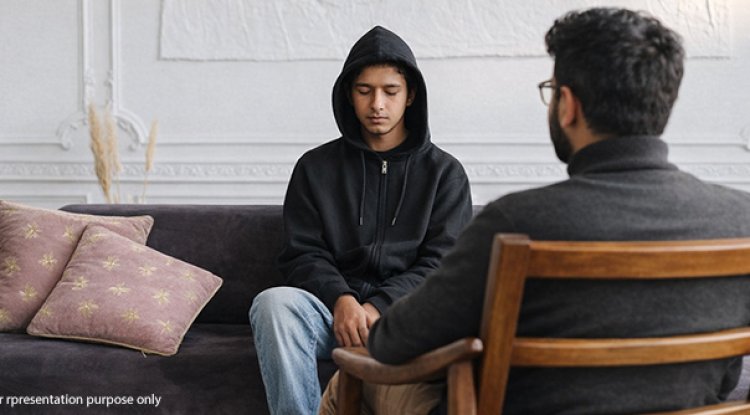
Rakesh was in therapy after a nervous breakdown. As he took stock of his life, he wondered what had gone wrong. He and his wife, Reshma, had built a picture-perfect life—with high-flying jobs and children excelling in the best schools. They lived in the penthouse of one of the city’s most prestigious apartment complexes, almost sailing among the clouds.
It looked like they had it all—until it all came down like a pack of cards.
More Homes and More Loans
Between the many cars, properties, and gadgets they felt compelled to own, life slowly went out of control. The gadget mania that had taken over meant they always needed the latest iPhone or MacBook. To top it off, they felt pressure to keep up with the high-end cars launched every few years.
To save on taxes, they took loans and bought more properties. But to service those loans, they accepted increasingly stressful assignments that kept them away from each other—and from their children, Ritvik and Rishab.
The pressure began to take a toll. Their health suffered. Their relationship deteriorated. Their marriage was in shambles, their children became emotionally distant, and the journey ended in a heart attack and a nervous breakdown.
Revisiting Dreams
Sometimes breakdowns are a gift, Rakesh realized. They force us to pause and re-examine life.
As he reflected, he remembered his beginnings—a small-town boy in a big city, chasing dreams. He wanted a home where his family could live in peace, opportunities for his children that he had never had, a life of dignity, and a career for his wife—something his mother never experienced.
Within the first few years, they had achieved all of this. They owned a home, Reshma had a career equal to his, and their children had every resource to pursue their dreams. Yet somewhere along the way, Rakesh got caught in the rat race of city life—keeping up with the Joneses and forgetting the life he had once dreamed of.
Making a Fresh Start
Rakesh agreed with his therapist that things had to change. Together with Reshma, he reprioritized his life.
They sold some of the properties they had recently bought and cleared their loans. They cancelled the booking of a new car. These decisions brought much-needed financial freedom.
They also made conscious lifestyle choices. For the next few years, they decided not to upgrade their phones, gadgets, or furniture unless something was genuinely broken. They cancelled foreign holidays and chose instead to travel within India, spending time together as a family.
Within months, they noticed a significant difference. Although they had always earned well, they were finally able to see it reflected in their bank accounts. They realized they could afford to work part-time or take up consulting roles and still maintain their lifestyle.
For the first time, they became masters of their own time. Rakesh started cooking. Reshma picked up her sitar again.
The Real Transformation
The children, however, were not happy at first. They wanted the new PlayStation and the SUV their father had promised. They wanted holidays in Europe and America. But Rakesh and Reshma stood firm.
That summer, the family set out on a road trip to a village in Gujarat—with two sulky teenagers in the back seat. They complained about everything: the dust, the poor roads, the roadside food, the basic accommodation, and—most of all—the mosquitoes.
Then something happened that changed their lives forever.
They stayed in a homestay run by a family living on the edge of the desert. The three children there had very little—hardly any decent clothes and limited means of income, as guests were rare. Yet those children were joyful.
They carried water from faraway sources, collected firewood, and walked miles to a school where the teacher rarely showed up. They admired Ritvik and Rishab’s smartphones and games—but without jealousy. They sang, danced, and expressed gratitude for their daily provisions.
A New Way of Living
Ritvik and Rishab were quiet for the rest of the trip. But once home, they were changed. They stopped complaining about what they didn’t have or arguing over what they wanted next.
One day, Ritvik suggested that they help children in need.
As a family, they opened their hearts and their lives to others—and in return, they discovered the joy of abundant living.
Every weekend, they began visiting a village near the city. Mornings were spent tutoring children in Math and English. Afternoons were for playing sports together. On the drive there, they shared openly about their lives. On the way back, they stopped for ice cream or a simple dhaba dinner, savoring each other’s company and the simple pleasures of life.
The boys’ academic performance improved as well—they wanted to be equipped to help others. Their Math and English scores went up. The family gave away many of the things they had accumulated and placed a moratorium on buying anything new unless it was truly essential.
For his birthday that year, Rishab asked that new clothes be sent to the children in Gujarat.
They had come a long way.
A Life with Less—and Much More
Today, the family lives debt-free, with less clutter but far more meaning and joy in their lives.
And it all began when they chose to stop chasing more—and started living better.
What's Your Reaction?