A Life in Your Hands
A practical guide for parents to understand their children better, manage stress, build healthy communication, and foster emotional security at home. Written from a counsellor’s perspective, this article explores common challenges such as perfectionism, rigidity, and discipline, and offers simple strategies for nurturing confident, resilient children.

A professional counsellor shares simple, practical tips to help parents understand and nurture their children.
Dear Parents,
Congratulations! You are doing an amazing job. Despite struggles, worries, and the heavy loads you carry, you continue to be responsible, striving, and hardworking. Parenting is not easy — it is an art we learn as time passes. Some of us master it only when our children have already grown up. Parenting skills are not inborn; it is a continuous learning process.
This article will help you understand your children better, and guide you with insights from child psychology and years of counselling experience.
“Children today are tyrants. They contradict their parents, gobble their food, and tyrannize their teachers.”
— Socrates, 420 BC
Children have always been challenging! How do we deal with their behaviour? Should we always be honest with them? Are they manipulating us? Where do we set healthy boundaries?
Let’s explore together.
Understanding Ourselves First
Before trying to understand our children, we must first understand ourselves. We live in a fast-paced world filled with work pressures, marital challenges, family responsibilities, and health concerns. It’s easy to lose patience and unintentionally transfer stress onto our children — leading to irritability, yelling, and frequent conflict.
This can create a cycle where children act out for more attention, resulting in more discipline and frustration.
Taking care of our emotional health is the first step toward healthy parenting.
Practical Self-Care Tips for Parents
-
Take time out for a hobby or something you enjoy
-
Reflect on your successes and appreciate yourself
-
Surround yourself with people who encourage you
-
Ask your children for feedback — how do they feel about your parenting?
-
Accept weaknesses and be genuine
-
Recognize your physical, emotional, and social needs
-
Share struggles with trusted friends and learn together
-
Read helpful parenting books
-
Nurture your spiritual well-being
-
Exercise regularly to relieve stress
-
Discuss parenting approaches together — consistency between parents reduces confusion and manipulation
What Do Children Need?
“Children want the same things we want — to laugh, to be challenged, to be entertained, and delighted.”
— Dr. Seuss
Children thrive in environments where they are:
-
Safe
-
Seen
-
Heard
-
Loved unconditionally
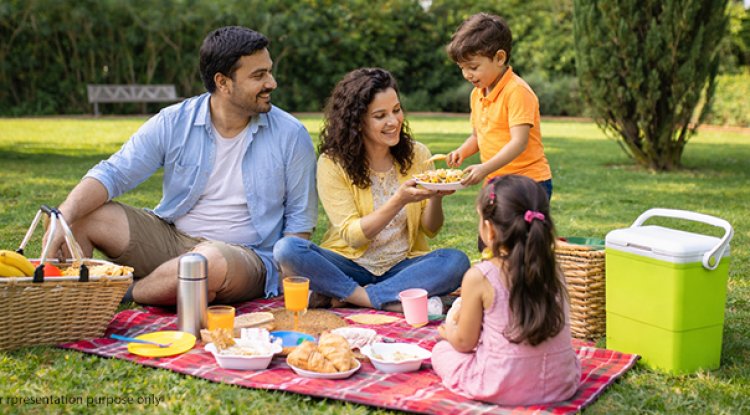
Their home should be a place where they feel safe to fail — knowing they are supported no matter what. Quality time matters — meaningful conversations, listening, family outings, and one-on-one interactions.
Common Issues Counsellors Identify in Children
1️⃣ Perfectionism
Children naturally seek parental approval. Failure can make them feel like they are a failure. Set realistic expectations based on age, ability, and personality. Celebrate effort more than outcomes.
2️⃣ Rigidity
Parents often insist things must be done “our way.” Provide space for creativity and independence — it builds confidence and motivation.
3️⃣ Physical & Verbal Abuse
Discipline should correct behaviour — not attack identity.
Harsh words like “stupid,” “idiot,” “useless” leave lifelong wounds.
Explain clearly:
-
why discipline was needed
-
what behaviour should change next time
4️⃣ Repression
Children should feel safe expressing emotions, thoughts, and ideas.
Snubbing or belittling them results in negative self-concept and withdrawal.
5️⃣ Judging the Child Instead of the Behaviour
Critique actions, not personality:
-
✔️ “That was careless, let’s try to be more careful.”
-
❌ “You are always careless.”
The Best Counsellors for Children: Parents!
You don’t need advanced training to support your child emotionally. You just need patience and good listening skills.
When Your Child Faces a Problem
Example: An 11-year-old boy suddenly stops studying and gets into fights.
Here’s how to respond:
1️⃣ Initiate
Begin casually, ask open-ended questions.
Focus on feelings rather than facts.
2️⃣ Perceive
Set aside your assumptions. Try to understand the situation from their point of view.
3️⃣ Respond
Your body language should show interest — nodding, eye contact, gentle tone.
4️⃣ Clarify
Confirm what you understood:
“So, you're saying the boys keep picking fights with you?”
5️⃣ Concretize
Summarize the situation and work together on solutions:
“We will handle this together. What do you think we can do next?”
Peaceful Parenting = Healthy Children
Conflict cannot be avoided — but it can be managed with love, patience, and understanding.
A powerful reminder:
If a child lives with criticism, he learns to condemn.
If a child lives with hostility, she learns to fight.
If a child lives with ridicule, he learns to be shy.
If a child lives with shame, she learns to feel guilty.
If a child lives with tolerance, he learns patience.
If a child lives with encouragement, she learns confidence.
If a child lives with praise, he learns to appreciate.
If a child lives with fairness, she learns justice.
If a child lives with security, he learns to have faith.
If a child lives with approval, she learns to like herself.
If a child lives with acceptance and friendship, they learn to find love in the world.
— Dorothy Law Holte
What's Your Reaction?