Redefining beauty
Promote self-love and healthy body image in children while reducing the impact of appearance-based pressure.
As children, we are fascinated by everything—including ourselves. As we grow older, we start questioning everything, including the way we look. Body shaming often becomes a part of life, with effects that go far beyond our physical appearance.
The Seed of Body Consciousness
I distinctly remember a conversation from 11th grade. An aunt came up to me and said,
"You’ve lost so much weight; you look gorgeous!"
Looking back, I realize I hadn’t really worked to lose that weight—or even consciously thought about it—until she pointed it out. It was just me, growing up, shedding baby weight.
Yet the seed was planted: to look gorgeous, I had to lose weight.
Fast forward twenty years, and I am now a mother, juggling kids, a husband, a house, and everything that comes with it. Add to that the extra pounds that sway along my middle, constantly reminding me that I am not "gorgeous" anymore.
Every time I look in the mirror, I notice the flab and vow to do something about it—but life happens, and I forget. A few days later, the same reminder appears. Some days, I struggle to carve out an hour for exercise; other days, I skip a meal or forgo dessert. But amid all the roles I play, these brave decisions often get swept under the carpet.
Childhood Memories and Early Lessons
Thirty years ago, I was a little girl, flouncing around in a dress my mother made me. All I wanted was to run and play. Then came the observation:
"Oh, you look so pretty in that dress."
From that day on, that was the only dress I wanted to wear. I even skipped climbing a tree because it might get dirty.
In retrospect, I don’t remember the color of the dress—but I do remember my friends giggling among the branches while I sat at the bottom, missing out. Maybe I should have climbed that tree. As we grow, moments like these become overshadowed by our appearance and the need for approval.
The Pressure to Look Perfect
Much of the praise we receive is based on how we look. Beyond a point, we aspire to perfection, judge ourselves, and judge others the same way. Body shaming becomes part of daily life—from weight, outfits, and hairstyles to critical scrutiny of every detail.
Sadly, we are conditioned to do this. It makes me wonder: why didn’t anyone praise how fast I could run or how well I read? Would that have given me a broader perspective beyond appearances? Now, as I raise my own children, I aim to do things differently.
Teaching Children Balanced Values
-
Balanced Importance
Children naturally strive for attention. It’s essential to balance praise for appearance with recognition of effort, behavior, and character. Instead of only calling a child "handsome" or "pretty," acknowledging their actions builds confidence.
Over time, they learn not to rely solely on looks for attention and appreciate that their skills, character, and values matter too. -
Love What You Have
As children, we love what we are born with—our toes, fingers, and simple curiosities. But as we grow, we try to fit into societal molds of "pretty" and “handsome.”
It’s a tough task because our bodies change, yet the desire to stay gorgeous remains. One mold cannot fit all. Returning to the roots of self-love and modeling it for our children helps them embrace who they are, not just how they look. -
Health Over Appearance
In a world dominated by images of perfect models, the focus often shifts from being healthy to looking good. Parents sometimes forget to emphasize that health matters most.
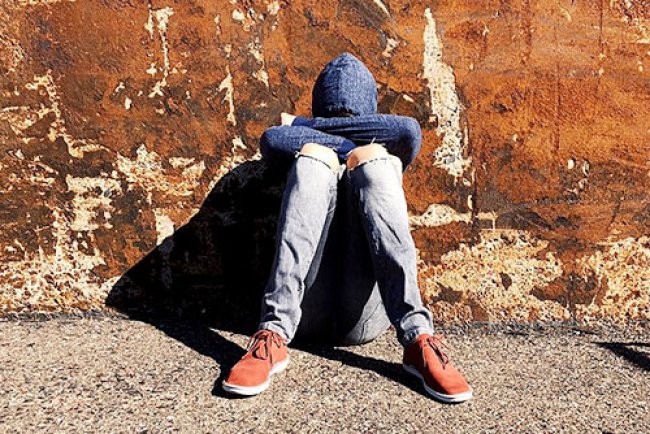
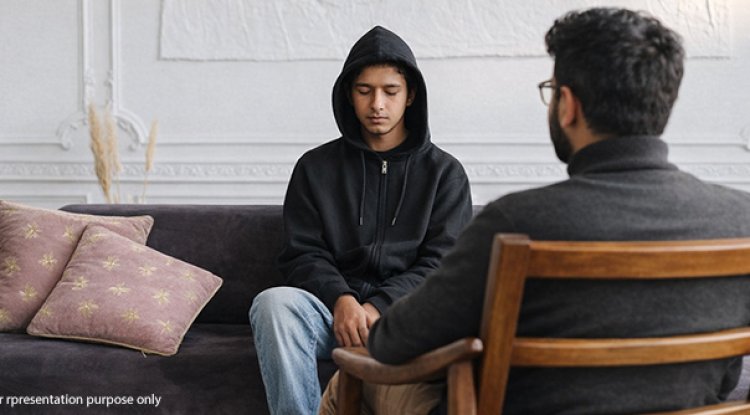
Fitness, over time, outweighs appearance. Body shaming can have deep consequences—from low self-esteem to depression or even suicidal thoughts in teenagers. Teaching children to value health, fitness, and self-acceptance is crucial.
Creating a Positive Body Image
Appreciating ourselves helps create a positive self-image, which influences almost every aspect of life. Children absorb what they see. Every time we criticize our own bodies, they notice. How we perceive ourselves becomes the foundation for how they perceive themselves.
As parents, we must:
-
Stand tall and appreciate our own bodies.
-
Avoid commenting on others’ appearances.
-
Encourage positive body image and healthy habits.
By doing so, we give our children the tools to embrace themselves fully—inside and out.
What's Your Reaction?